A
A
A
San serif
Serif

In the contemporary era, modern cyber threats target not only information security but also the resilience of physical processes. From this perspective, maintaining and restoring the functionality of technological platforms within cyber-physical systems during cyberattacks and disruptions has emerged as one of the most current scientific and practical challenges.
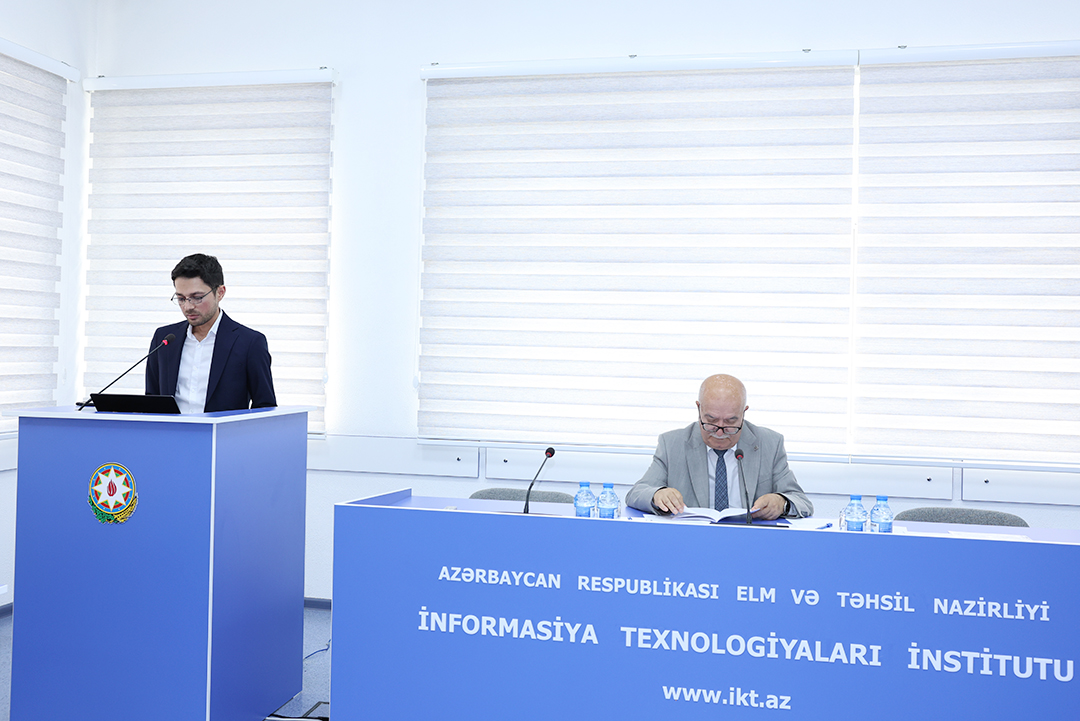
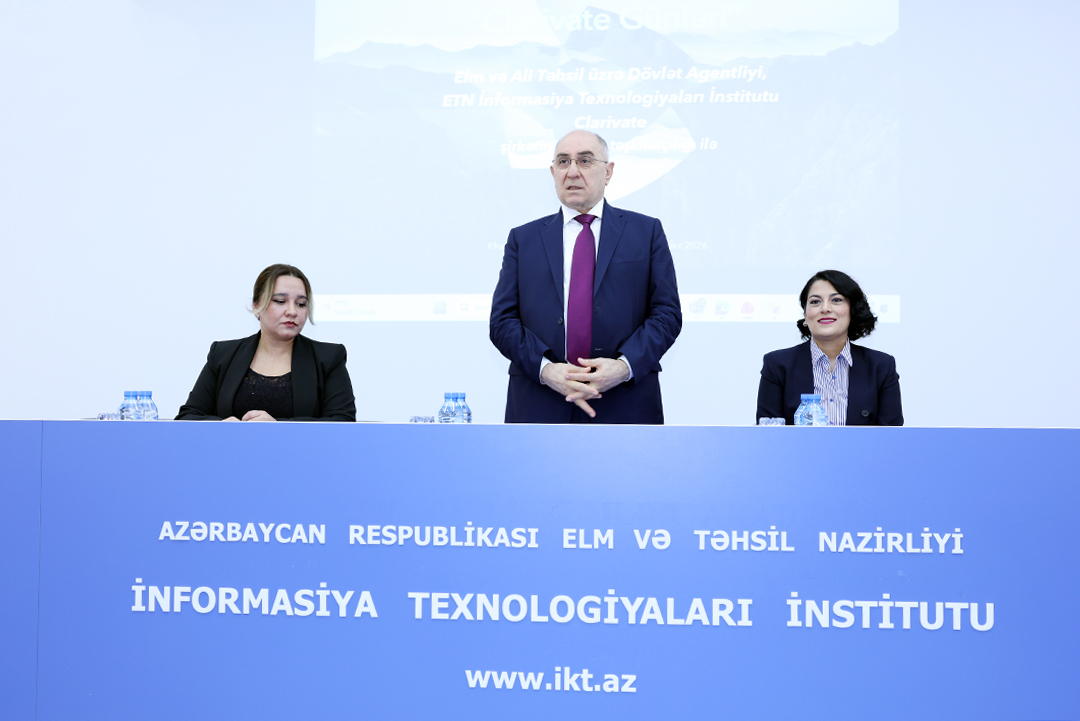
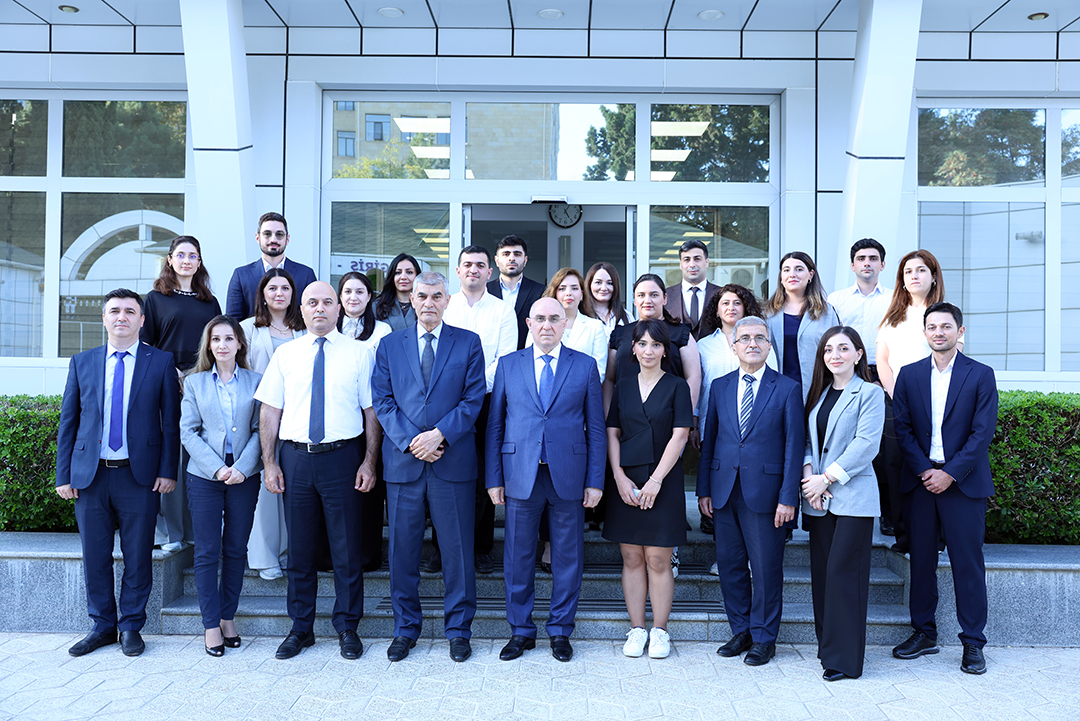
A scientific seminar on the subject was held at the Institute of Information Technology of the Ministry of Science and Education. The seminar was dedicated to the “Analysis of Architectural Solutions and Methods for Ensuring the Cyber Resilience of Technological Platforms in Cyber-Physical Systems.”
Presenting the report, the Institute's Chief Engineer and Head of Department, Shakir Mehdiyev, emphasized the urgency of the issue, stating that national security, cyber-sovereignty, and digital development policies necessitate the managed, controlled, and resilient operation of information and technological systems. The researcher noted that the deep integration of cyber and physical components in Cyber-Physical Systems (CPS)—widely utilized in critical sectors such as energy, transport, and industry—is creating a new risk landscape. In these systems, failures can lead to the disruption of technological processes, power outages, and significant risks to human safety.
According to the speaker, the primary goal of the research is to analyze existing architectural solutions and methods for ensuring the cyber-resilience of technological platforms in cyber-physical systems. The study aims to evaluate their capabilities and limitations while identifying current challenges and open research directions for preserving core system functions.
Clarifying the concept of cyber-resilience, the researcher explained that it refers to a system's ability to maintain core functions and continue operations amidst cyber threats, technical failures, and uncertain conditions that could lead to physical consequences. Key components of cyber-resilience include maintaining the stability of technological processes, preserving functionality during cyberattacks, and the capacity for dynamic reconfiguration in response to an evolving threat landscape.
Analyzing the structure of the CPS technological platform, Shakir Mehdiyev presented its core components, including computing infrastructure (cloud, fog, and edge environments), sensor and actuator infrastructure, network communication, control and analysis, security, and power infrastructures. He emphasized that each of these layers plays an equally vital role in establishing overall cyber-resilience.
Following the presentation, discussions were held, and questions were addressed.
Academician Rasim Alguliyev, Vice-President of the Azerbaijan National Academy of Sciences and Director General of the Institute of Information Technology, shared his insights on the report, emphasizing that the research addresses a highly topical issue and aligns with the challenges of the modern era. He noted that against the backdrop of digital transformation processes and the rapid advancement of AI in our country, cyber resilience has become a matter of strategic importance. The academician highlighted the necessity of investigating the regulatory and legal frameworks governing cyber resilience, researching international standards, and staying informed about the ongoing activities and current trends discussed at prestigious global conferences.
© All rights reserved. Citing www.iсt.az is necessary when using news.