A
A
A
San serif
Serif
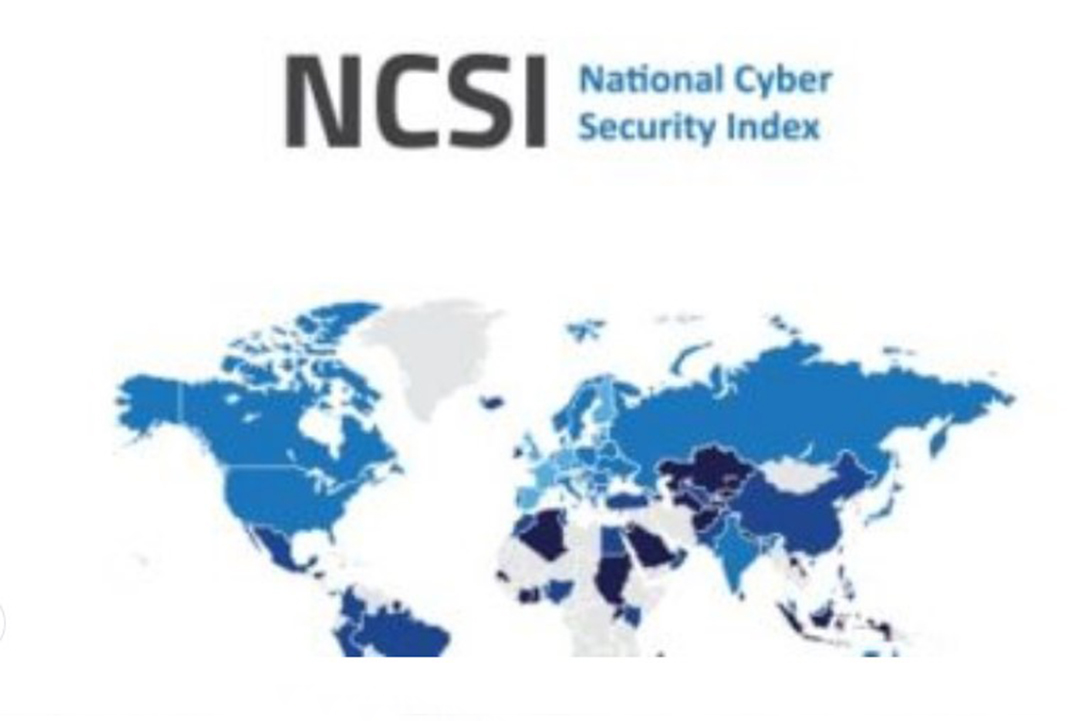
Today, assessing countries' preparedness in the field of cybersecurity according to international standards has become increasingly important. One of the leading institutions conducting international cybersecurity assessments is the e-Governance Academy (eGA). Established in 2002 through a joint initiative of the Government of Estonia, the Open Society Institute (OSI), and the United Nations Development Programme (UNDP), eGA plays a significant role in evaluating national cybersecurity capacities worldwide.
Based on the National Cyber Security Index (NCSI) developed by eGA, countries' cybersecurity readiness is monitored annually, and comprehensive assessment reports are published. The evaluation framework consists of three core indicators and twelve key criteria, including cybersecurity policy, cybercrime prevention, risk management, cyber incident response, education, research and development, workforce training, and international cooperation.
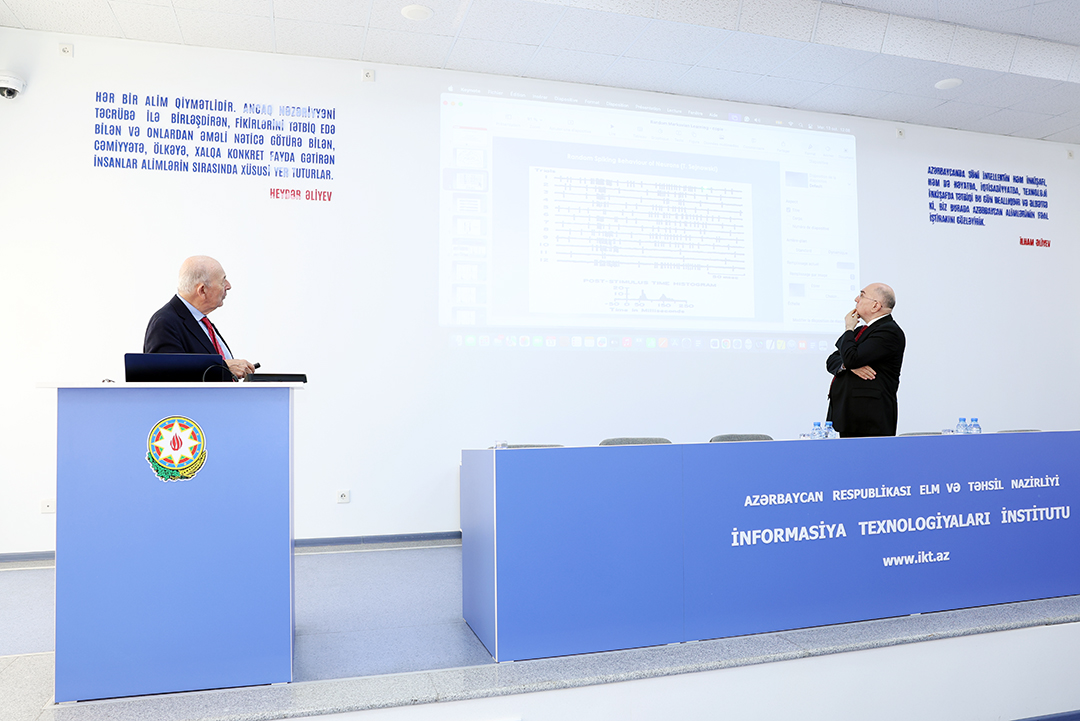
This year, eGA released its latest international cybersecurity ranking, assessing countries' preparedness across various NCSI indicators. The results and Azerbaijan's position in the global ranking were extensively discussed at the Institute of Information Technology of the Ministry of Science and Education of the Republic of Azerbaijan.
Speaking at the discussions, PhD, Babak Nabiyev, Head of the AzScienceNet Network Operation Center noted that the three indicators, twelve evaluation criteria, and all related sub-indicators were analyzed in detail. According to him, Azerbaijan has achieved remarkable progress in the index. Compared to its 2023 position, the country advanced by 55 places and currently ranks 31st among 145 countries. Azerbaijan is positioned ahead of several technologically advanced nations and is closely ranked alongside countries such as the United States (30th), the United Arab Emirates (32nd), the Republic of Korea (33rd), Japan (35th), and the Netherlands (36th).
The assessment also demonstrated Azerbaijan's outstanding performance in the areas of science, education, and professional workforce development. The country fully fulfilled all requirements related to these sub-indicators, earning the maximum score of 100 points.
Vice-President of the Azerbaijan National Academy of Sciences (ANAS) and Director General of the Institute of Information Technology, Academician Rasim Alguliyev, emphasized that these achievements reflect the successful implementation of state policy in the field of cybersecurity. He noted that the positive results confirm the effectiveness of scientific research conducted in priority areas serving national interests and demonstrate the high level of international recognition accorded to Azerbaijan's accomplishments.
According to Academician Alguliyev, the current indicators also highlight the need to further strengthen the national cybersecurity ecosystem, expand the training of highly qualified specialists, intensify research on cyber sovereignty, develop a national cybersecurity index, and establish a comprehensive system for assessing cybersecurity across all sectors of society.
He further stated that the “Information Security and Cybersecurity Strategy of the Republic of Azerbaijan for 2023–2027,” approved by the President of the Republic of Azerbaijan, has provided significant momentum for the implementation of comprehensive cybersecurity measures and the achievement of substantial progress in this field. He stressed that achieving even higher results will require active engagement in addressing emerging challenges and strengthening scientific support mechanisms to ensure sustainable development and resilience in cybersecurity.