A
A
A
San serif
Serif
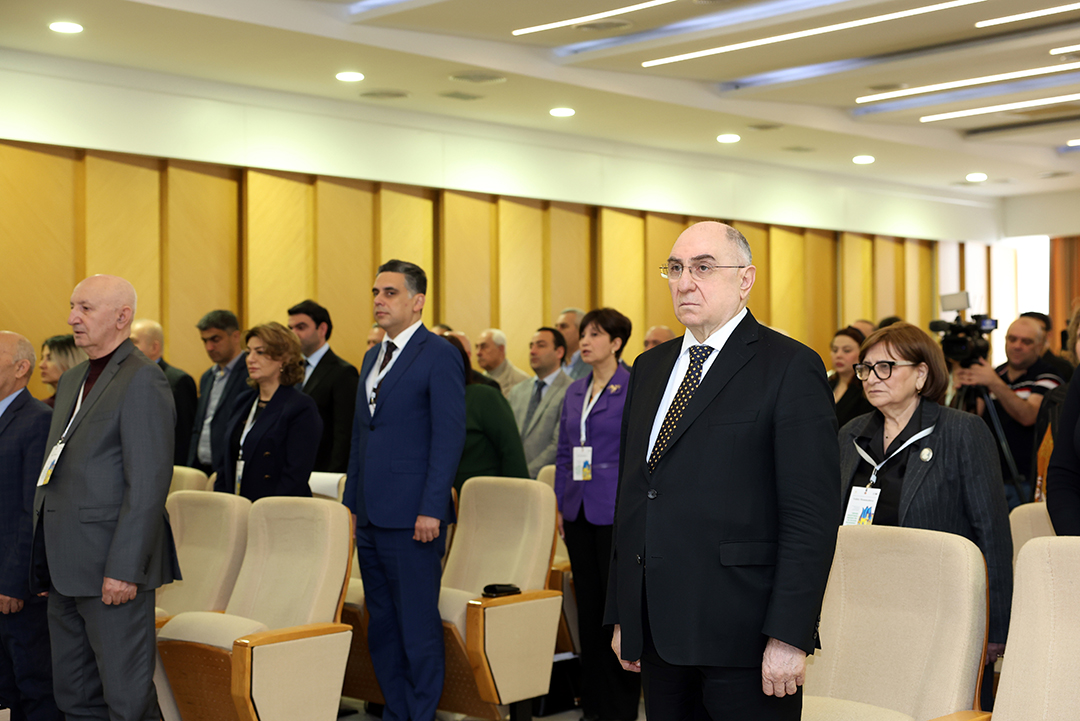
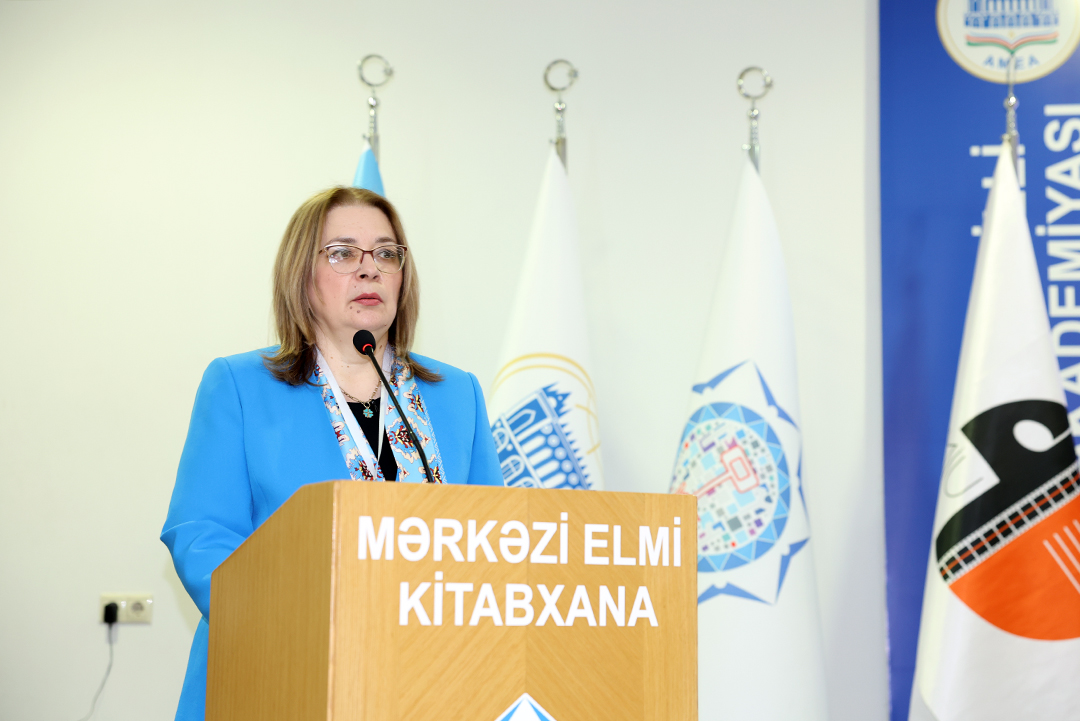
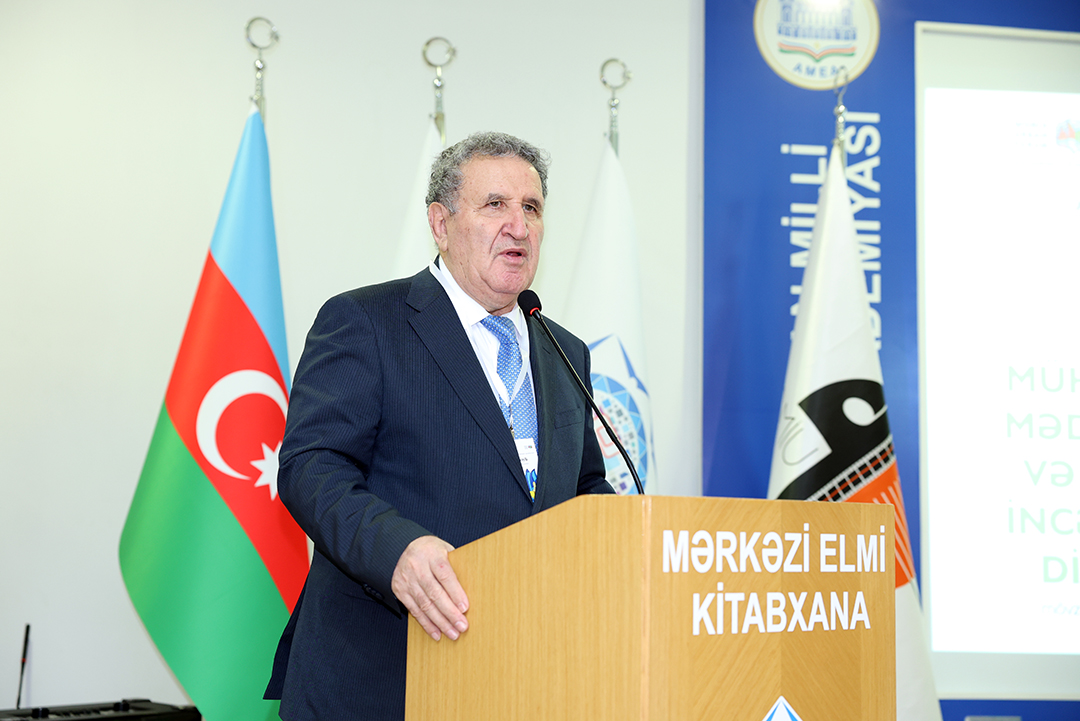
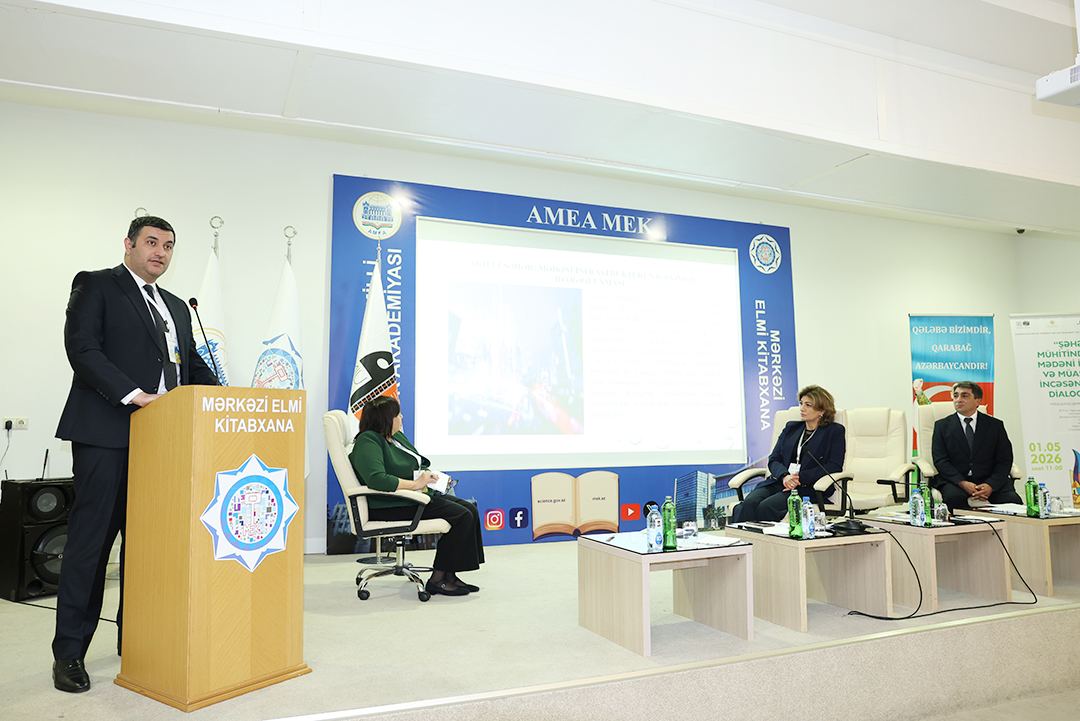
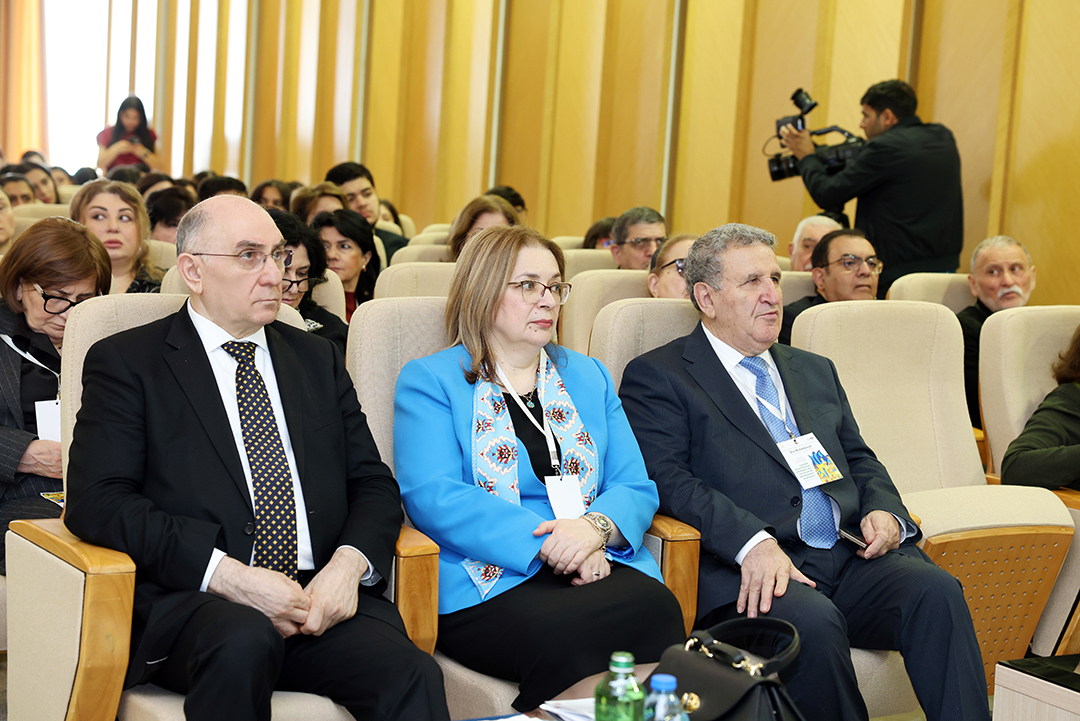
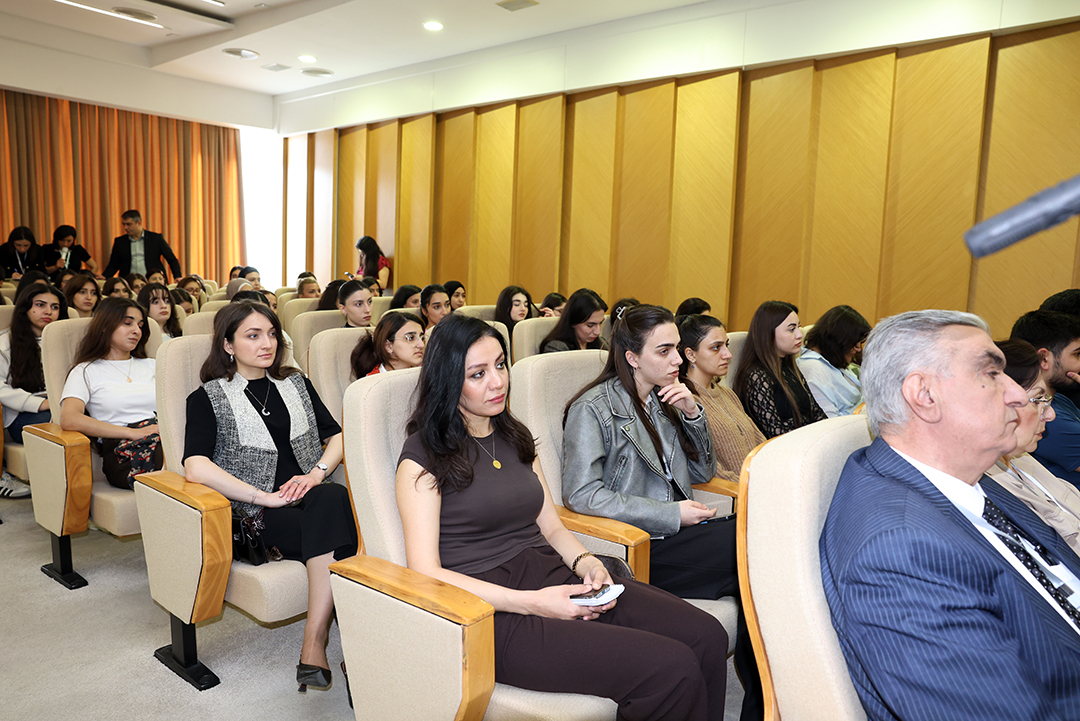
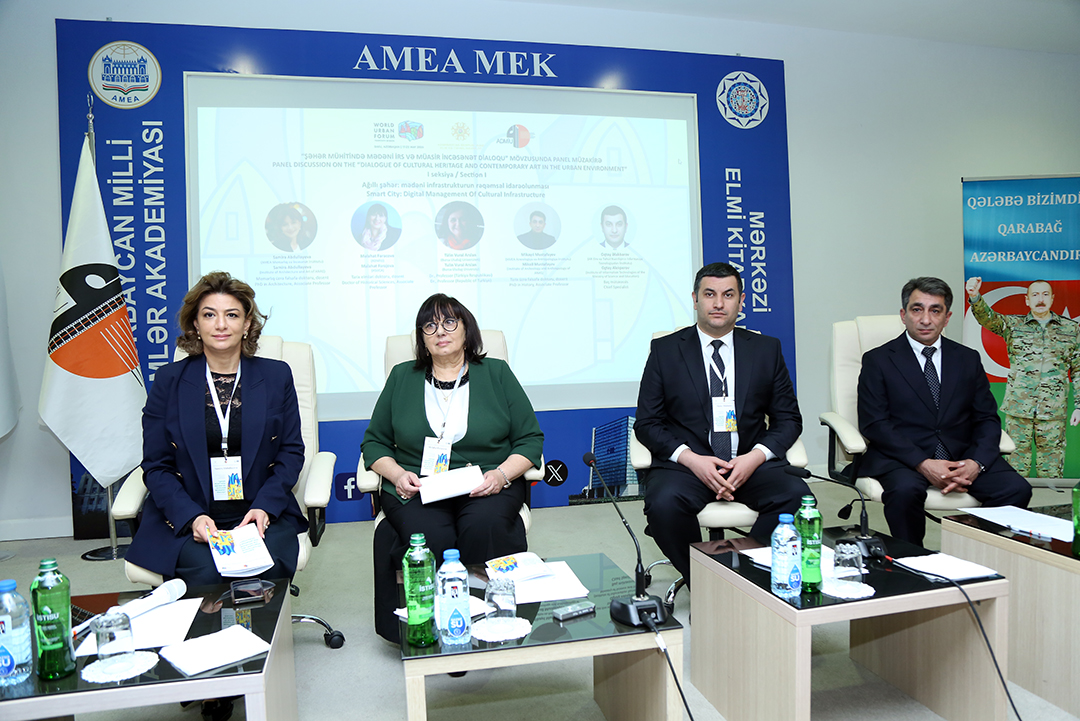
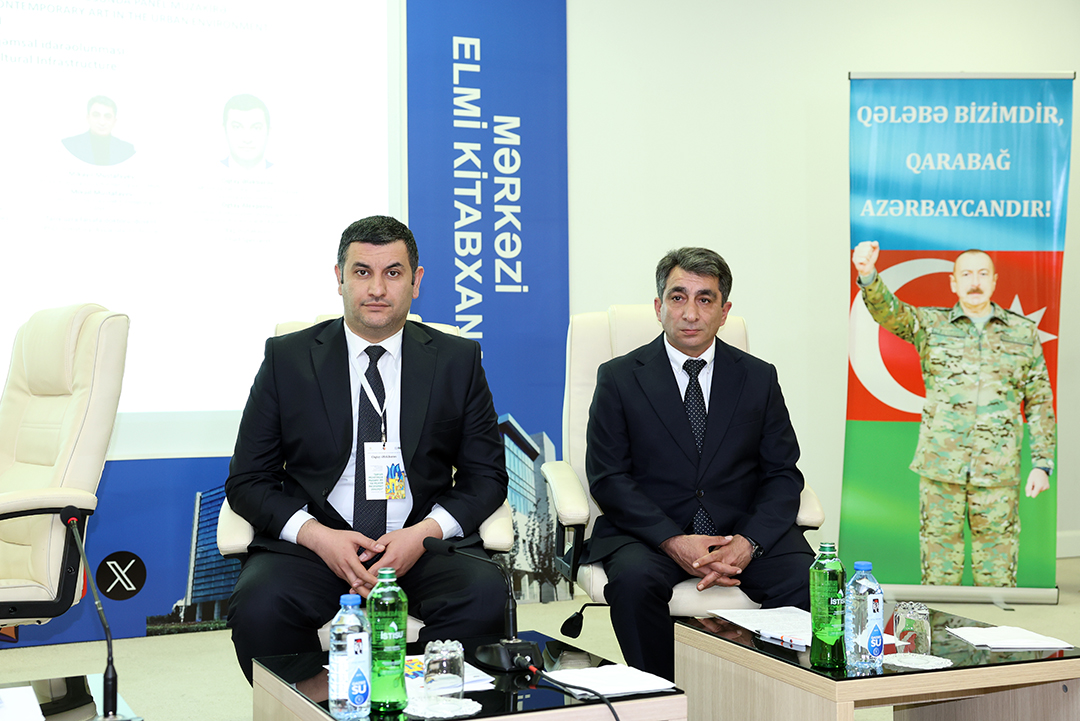
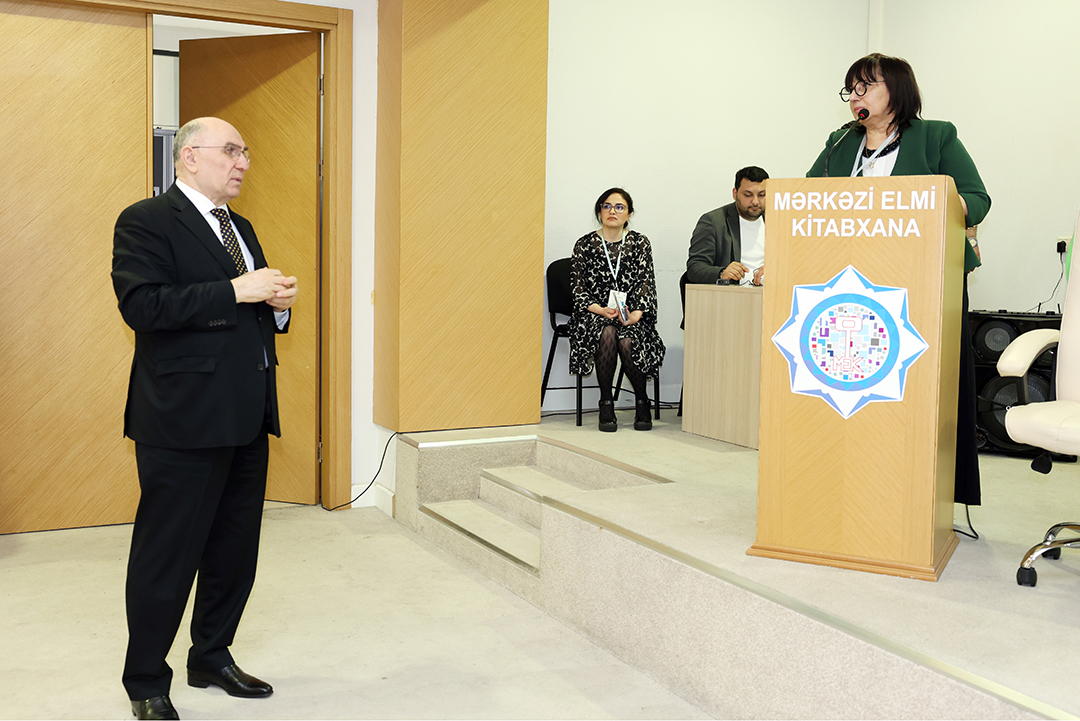
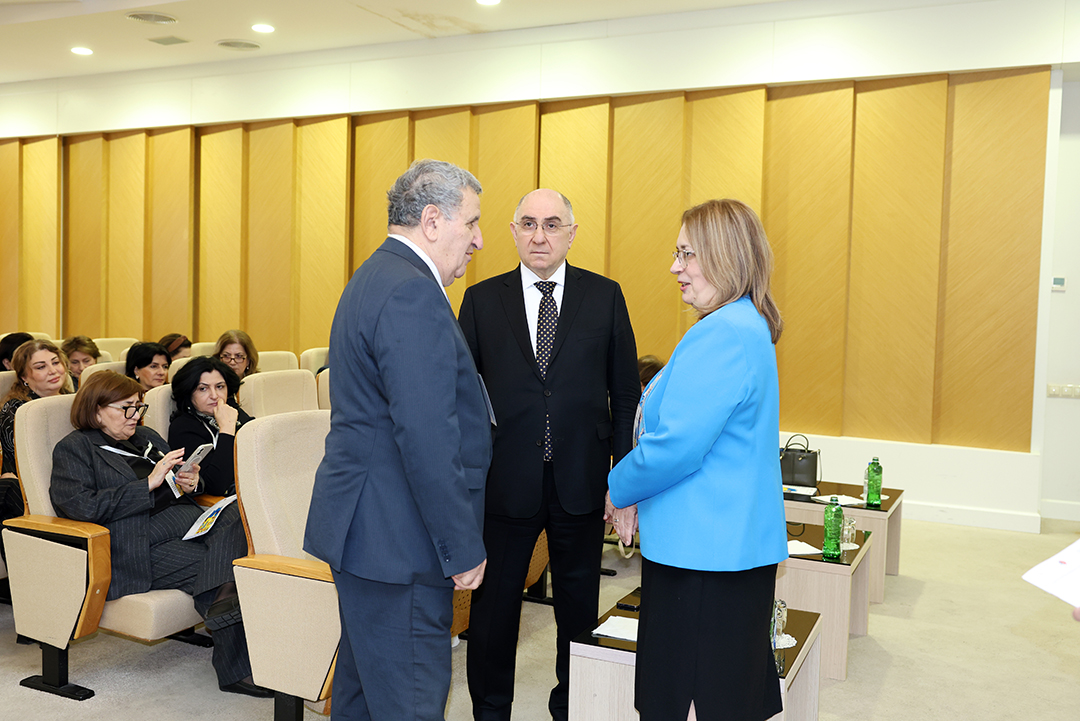
The Central Scientific Library of ANAS hosted panel discussions on "Dialogue Cultural Heritage and Modern Art in the Urban Environment," organized by the Azerbaijan State University of Culture and Arts. The event took place within the framework of the 13th session of the World Urban Forum (WUF13) of the United Nations Human Settlements Programme.
Opening the event, Rector of the Azerbaijan State University of Culture and Arts, Jeyran Mahmudova, noted that 2026 has been declared the "Year of Urban Planning and Architecture" in Azerbaijan by President Ilham Aliyev's decree. She stated that this decision is a logical continuation of the state's consistent care and strategic focus on the development of urban planning and architectural sectors. Highlighting that Baku will host the global WUF13 event this year, the Rector emphasized that organizing such a prestigious gathering in Azerbaijan carries profound symbolic significance.
In his address, the President of ANAS, Academician Isa Habibbayli, characterized the event as a significant platform for discussing the contributions of science, culture, and art to urban development processes. He stated that the gathering serves as a commendable scientific and cultural report by the Azerbaijan State University of Culture and Arts within the framework of the "Year of Urban Planning and Architecture," as declared by President Ilham Aliyev for 2026. Highlighting that WUF13 encompasses not only architecture but also broader urban and social development issues, the Academician noted that 21st-century Baku is regarded as a successful model of modern urban planning.
The event subsequently continued with parallel sessions titled "Smart City: Digital Management of Cultural Infrastructure," "Cultural Heritage in the Context of the Great Return," "The City as a Guardian of Traditional and Modern Cultural Heritage," and "The Urban Theme in Cinema and Theater."
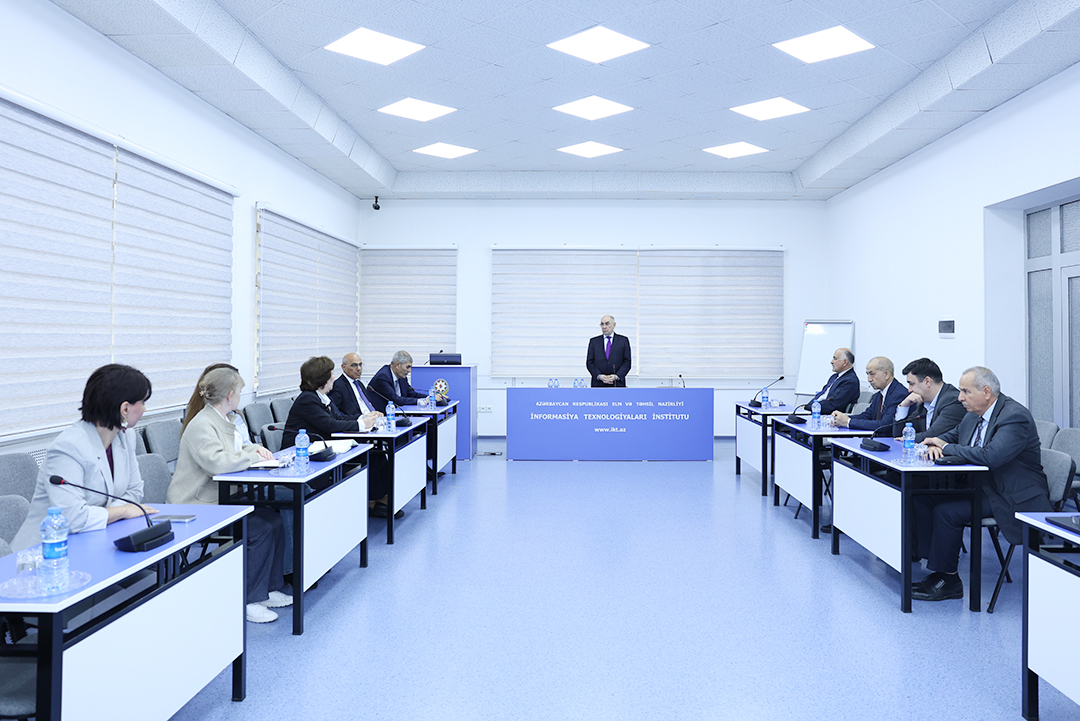
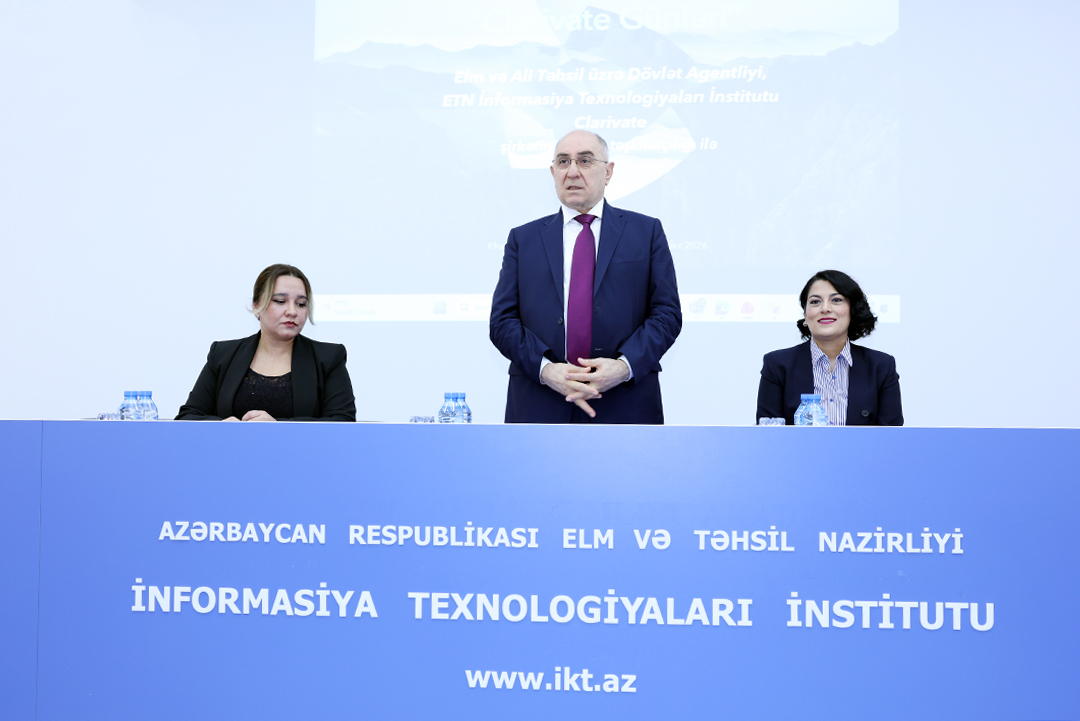
The staff members of the Institute of Information Technology of the Ministry of Science and Education also attended the event.
Academician Rasim Alguliyev, Vice-President of ANAS and Director General of the Institute of Information Technology, actively participated in the discussions during the session meetings. He addressed questions to the presenters and put forward a number of strategic proposals and recommendations.
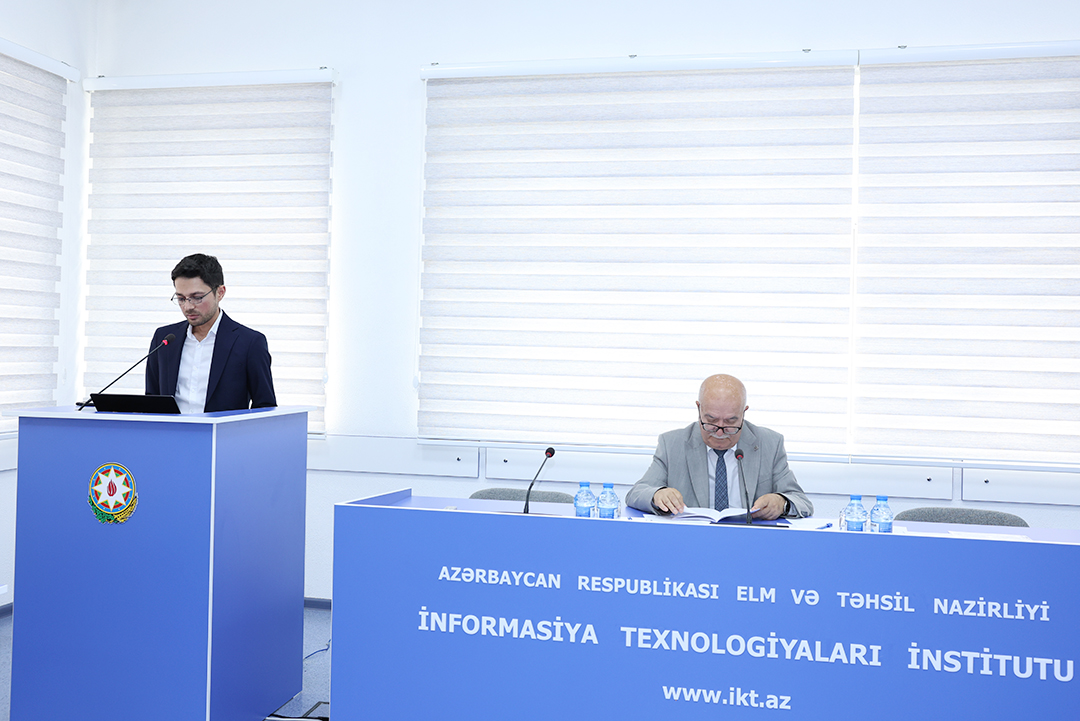
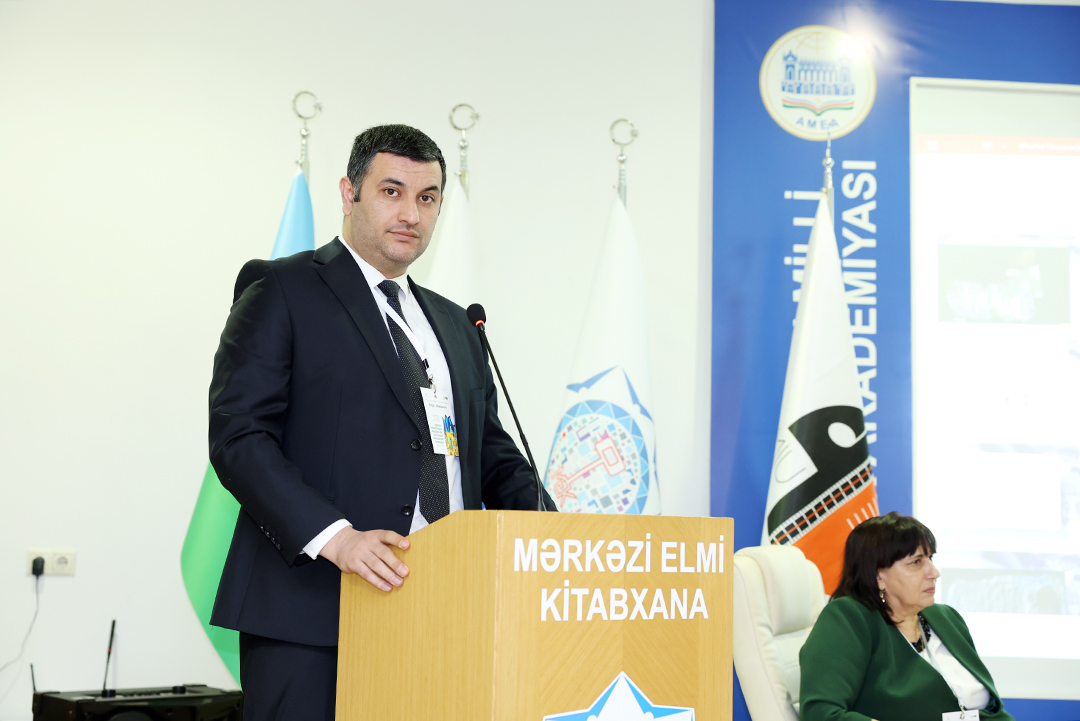
Oktay Alakbarov, a chief specialist at the Institute, delivered a presentation during the breakout session titled "Dialogue Between Cultural Heritage and Modern Art in the Urban Environment."
Presenting his report on the "Digitalization of Cultural Infrastructure in the Smart City Model," he described the "smart city" as a modern urban management framework powered by technology. He emphasized that digital tools, including the Internet of Things (IoT), artificial intelligence, and Big Data, play a crucial role in managing urban infrastructure:
"The core objective of the 'Smart City' concept is to enhance the quality of life for residents, streamline urban services, and ensure the optimal use of existing resources. A key priority of this model is the preservation of cultural heritage and its transmission to future generations through digital technologies."
Oktay Alakbarov noted that digital cultural infrastructure plays a vital and multifaceted role in urban development:
"This approach enhances management efficiency, ensures resource savings, facilitates the long-term preservation of cultural heritage, strengthens tourism potential, and creates new economic opportunities. At the same time, presenting cultural sites in a more interactive and accessible manner increases public interest in cultural life."
Noting the existence of new challenges in this field, the speaker pointed out that primary issues include financial difficulties, digital inequality, copyright and personal data protection, as well as a shortage of highly qualified personnel possessing expertise in both the cultural sector and ICT.
Highlighting the emerging challenges in this field, the speaker noted that the primary obstacles include financial constraints, digital inequality, copyright and personal data protection issues, as well as a shortage of highly qualified professionals possessing expertise in both the cultural sector and ICT.
Concluding his speech, he emphasized that the digital management of cultural infrastructure within smart cities is a key strategic priority that ensures the efficient operation of cultural facilities, enhances service quality, and supports sustainable development.
© All rights reserved. Citing www.iсt.az is necessary when using news.