A
A
A
San serif
Serif
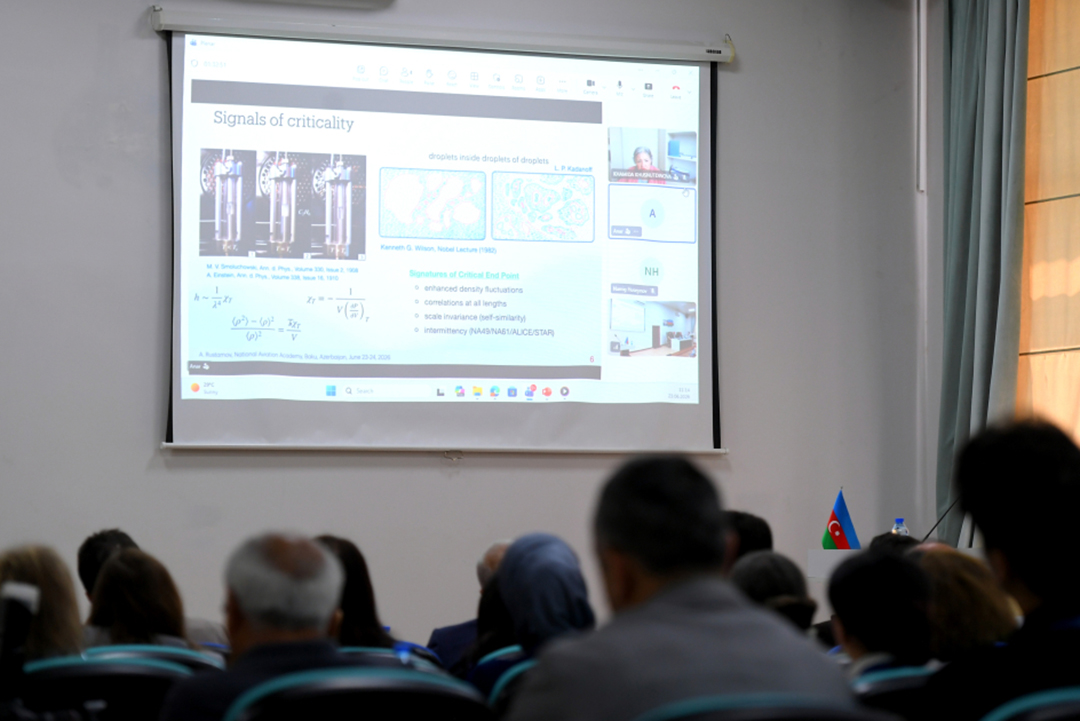
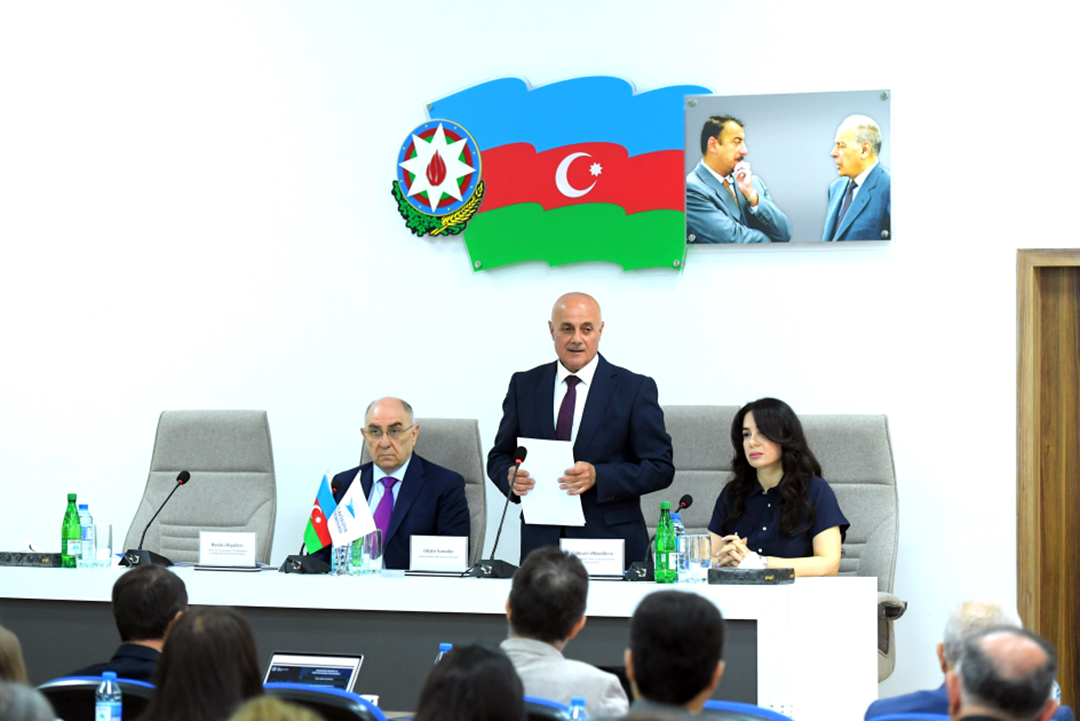
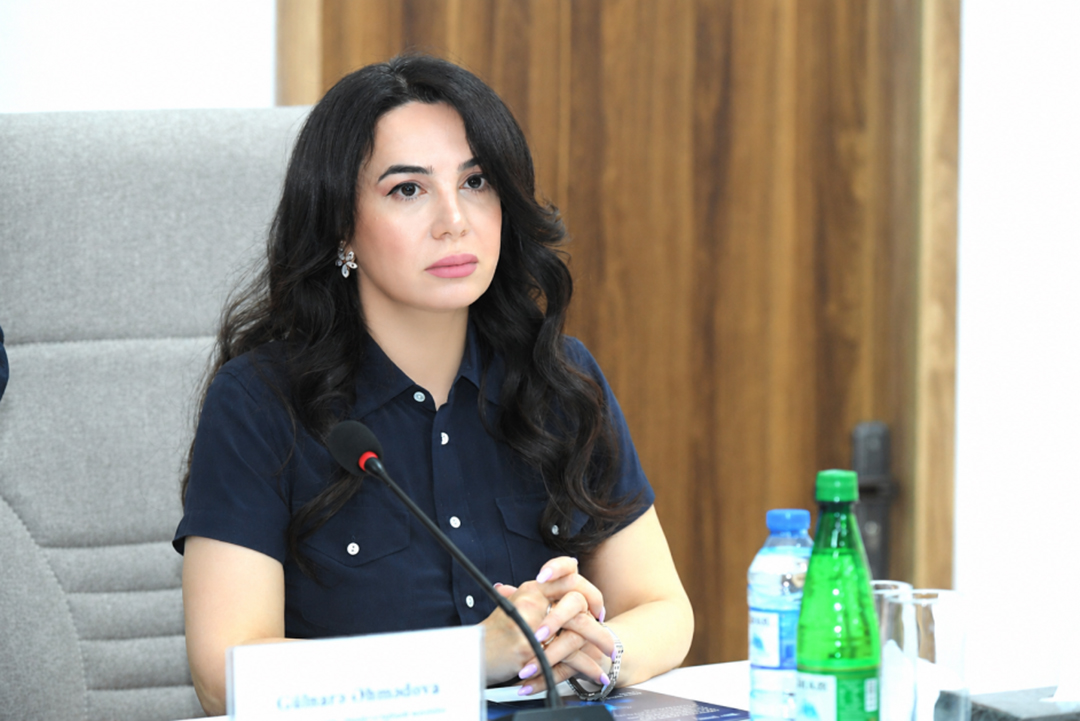
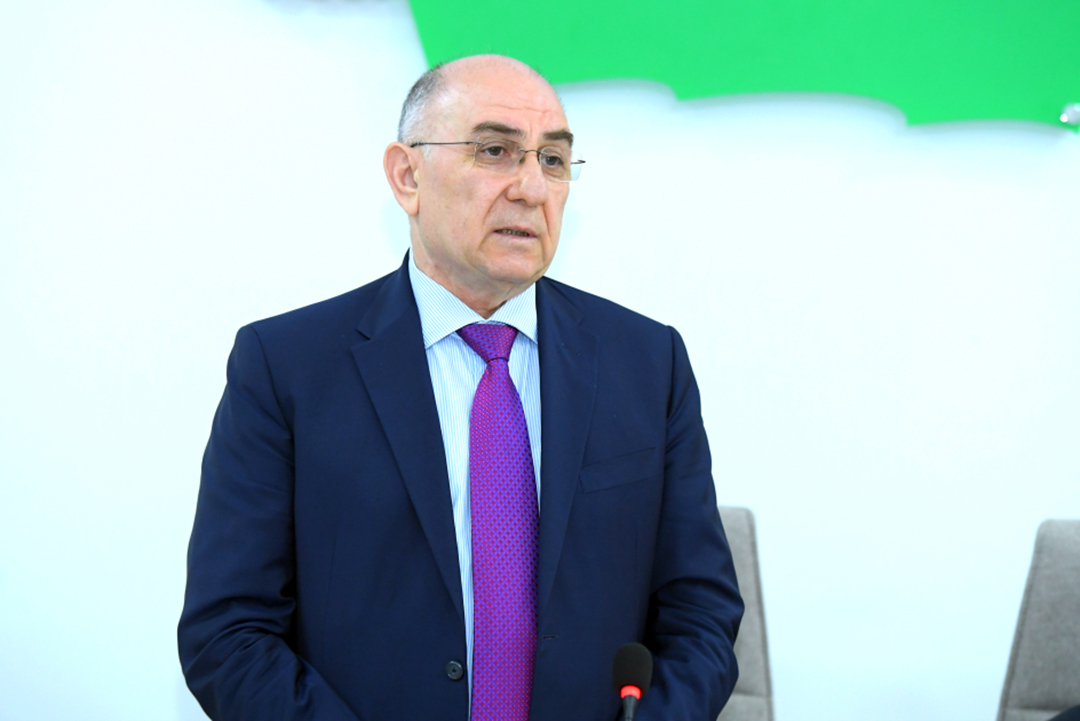
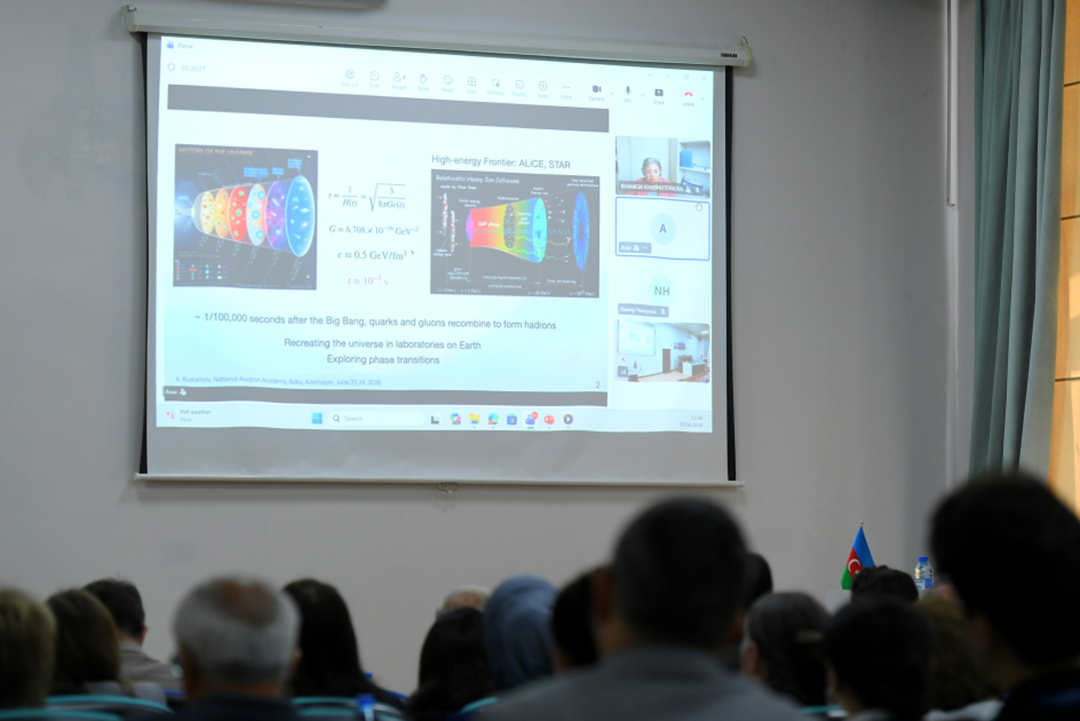
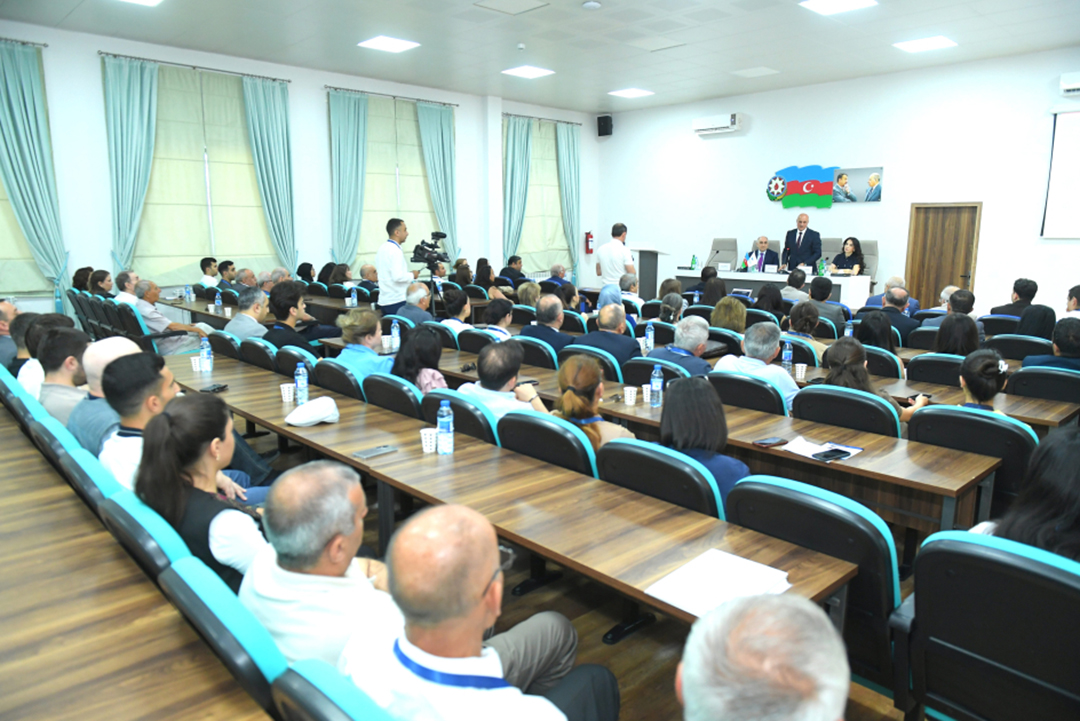
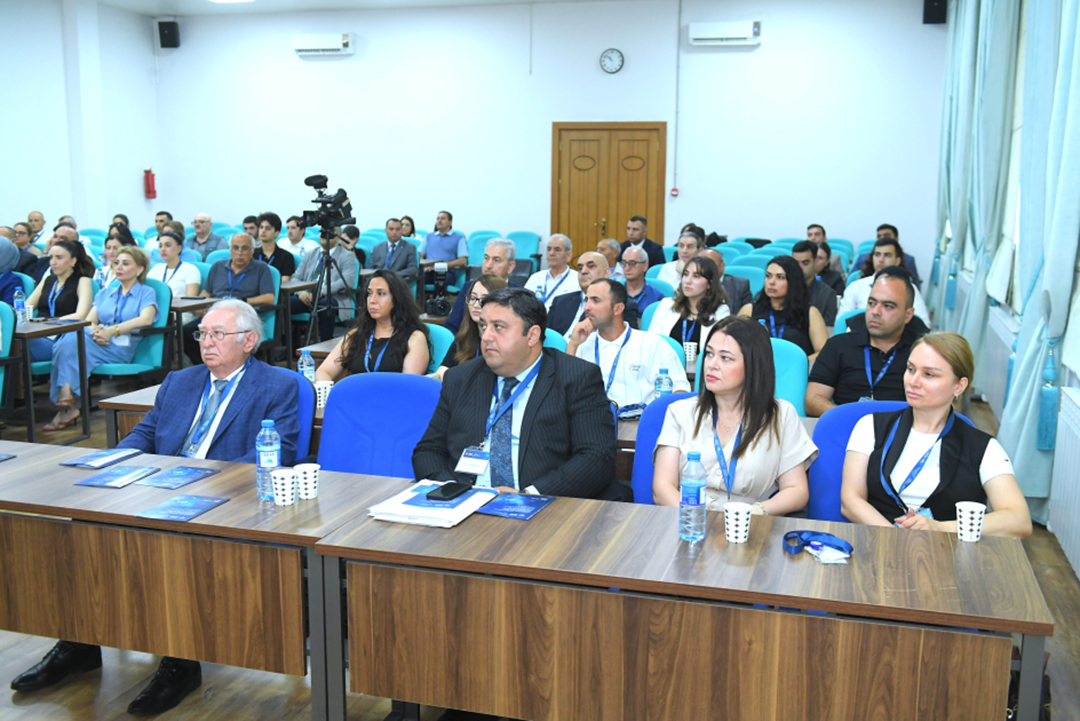
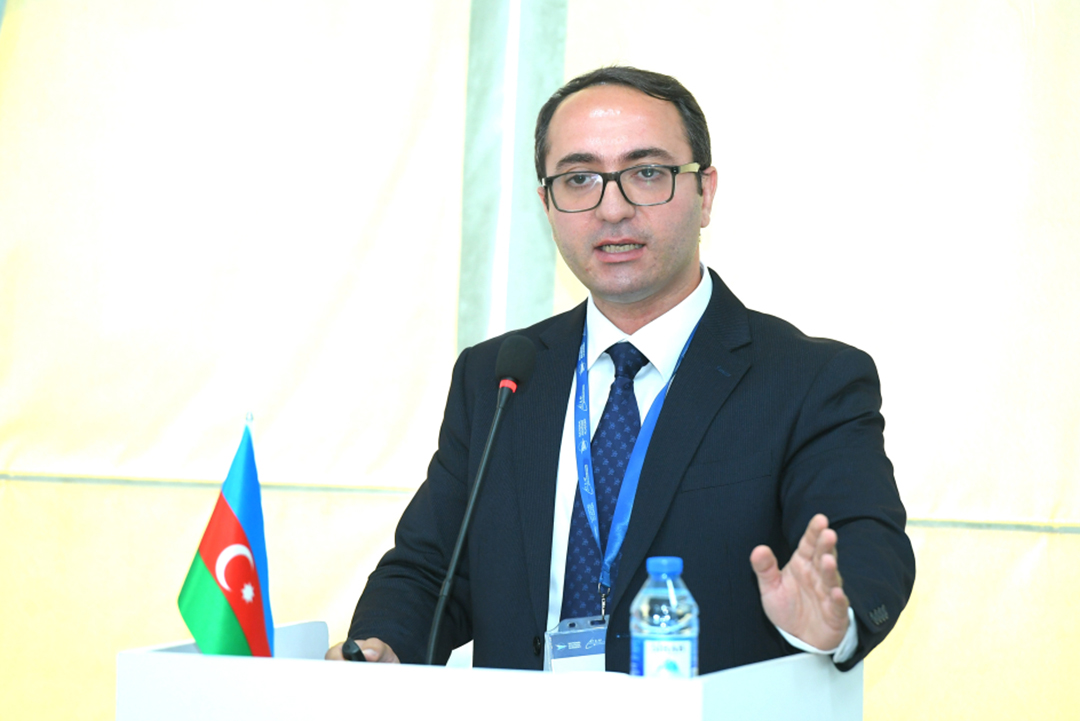
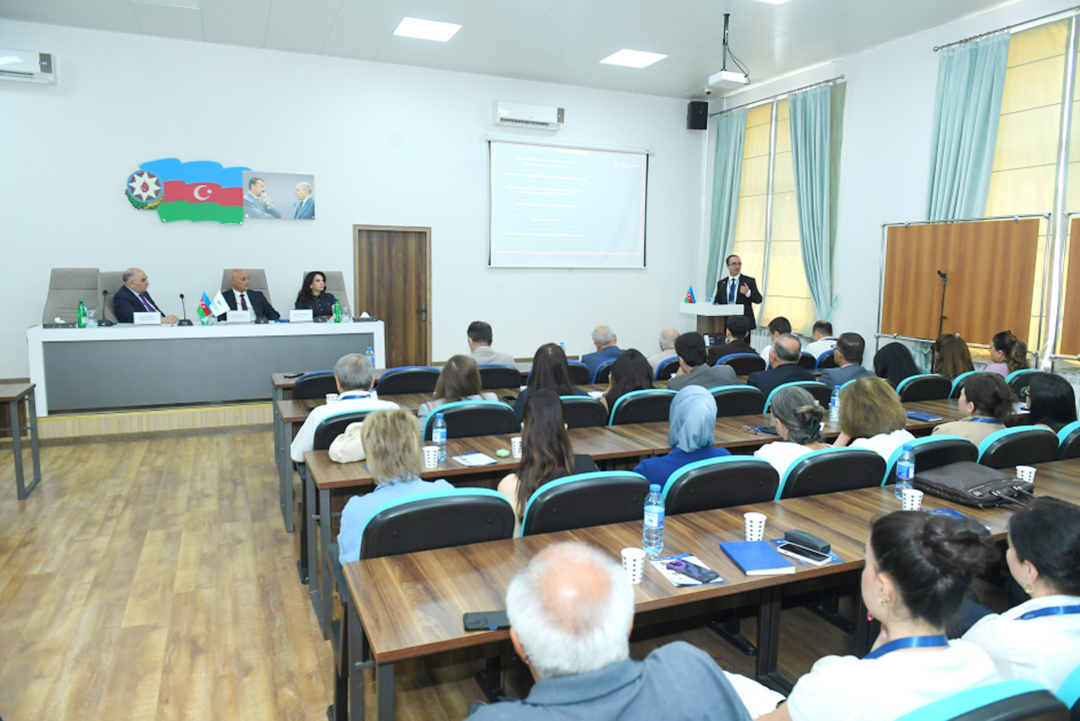
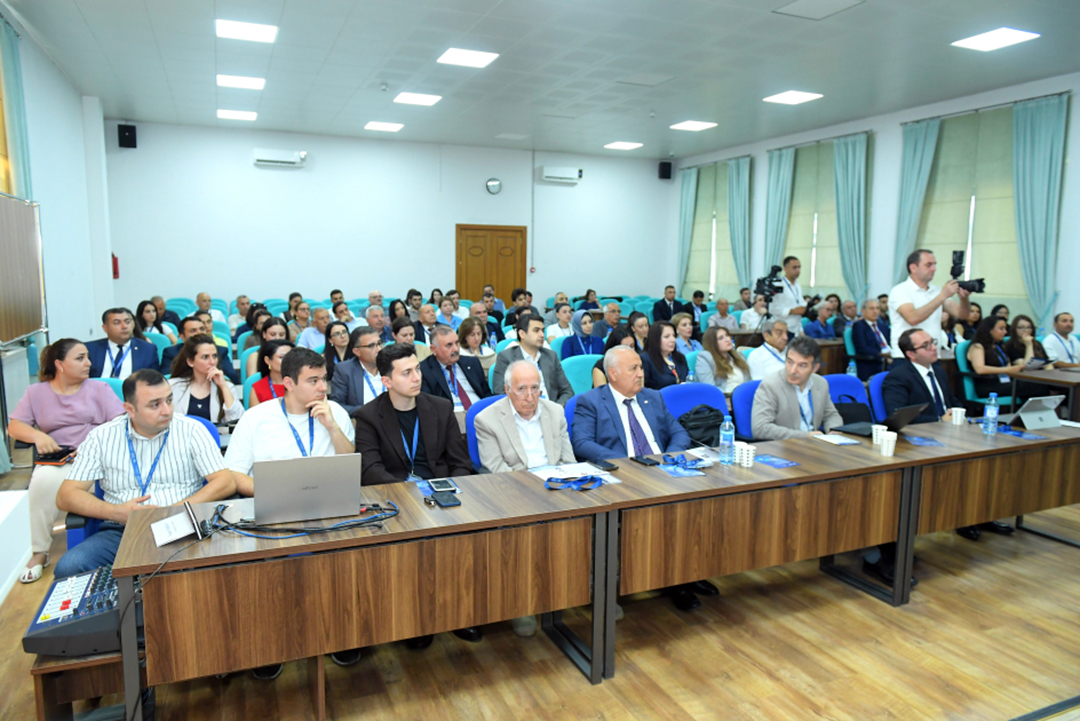
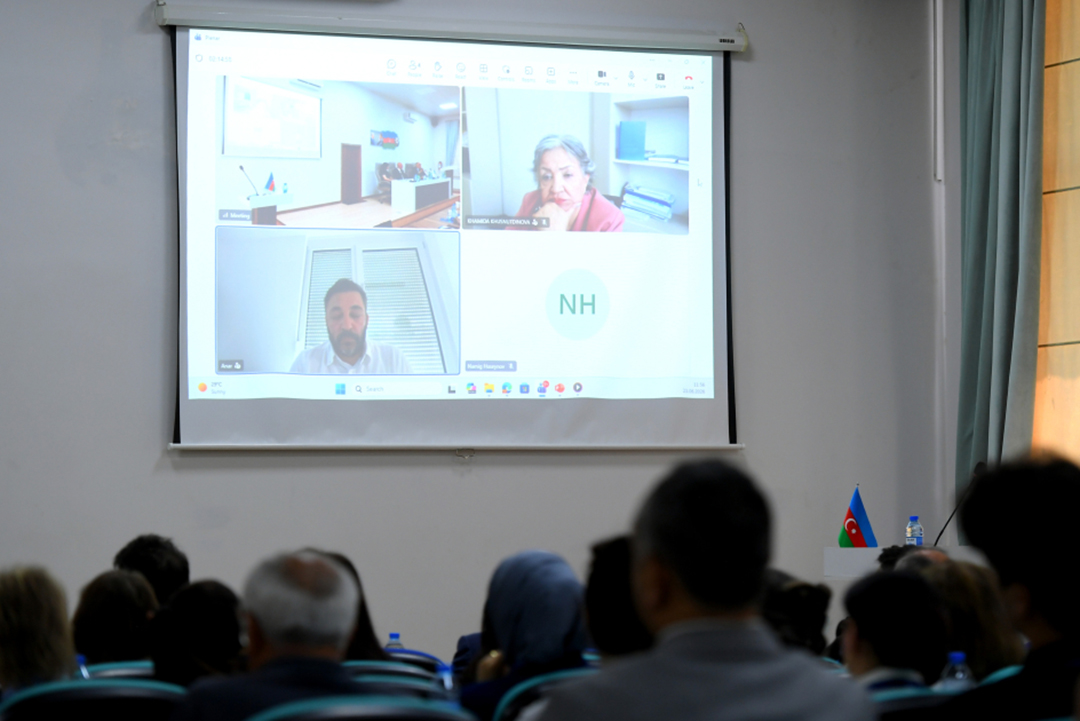
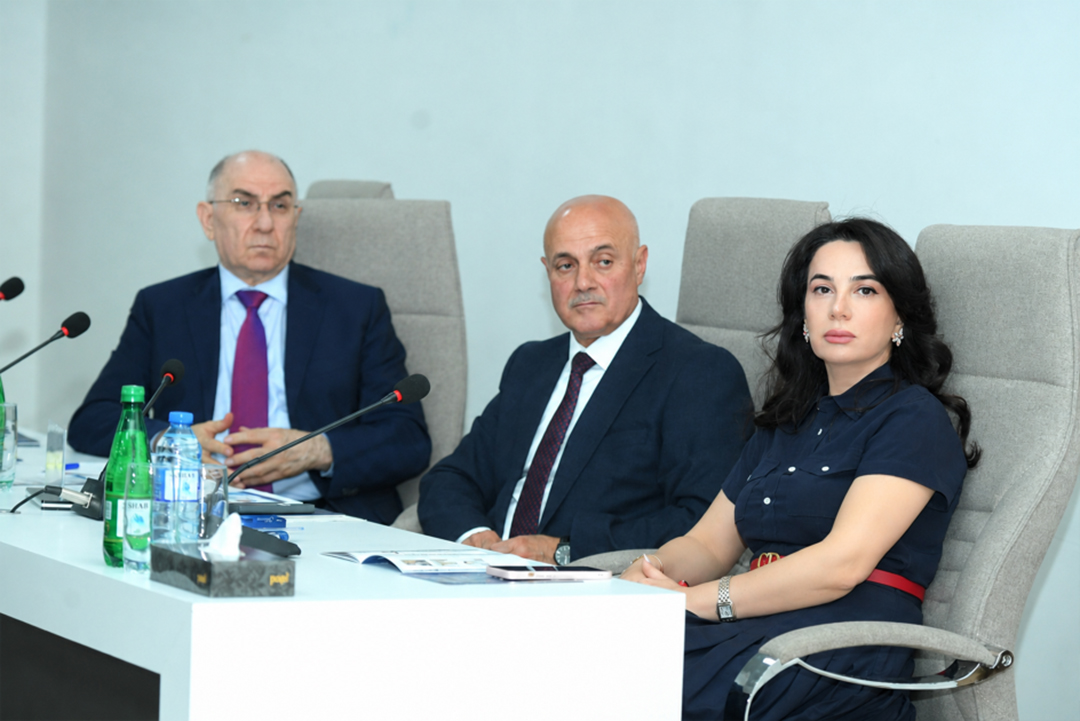
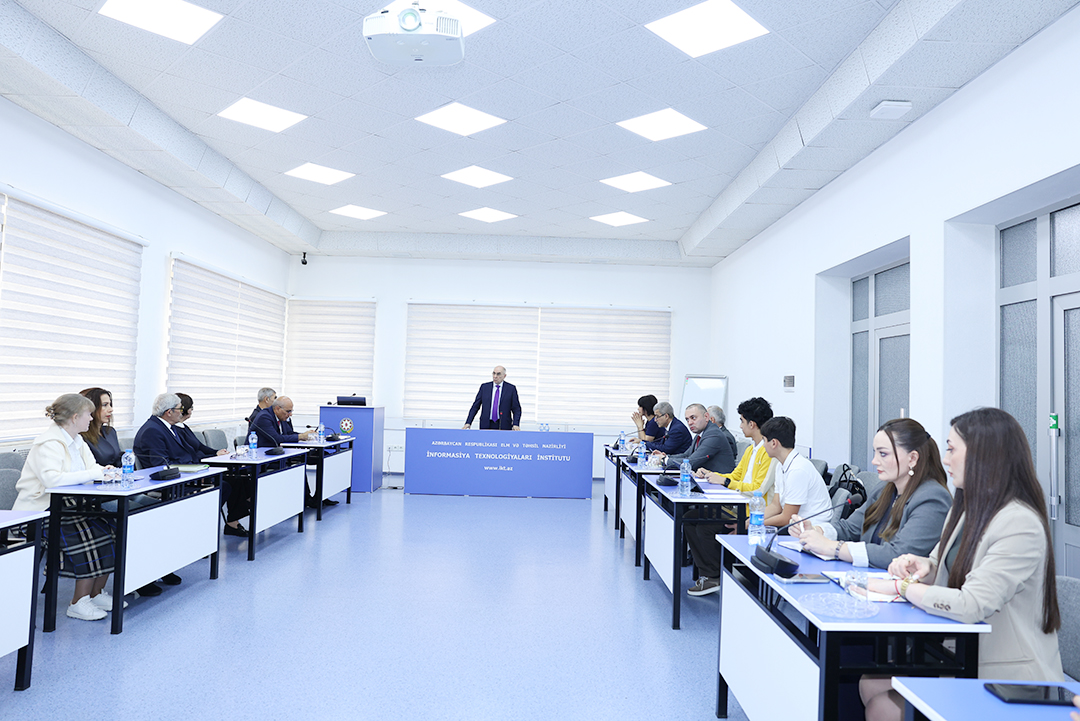
The 4th International Scientific-Practical Conference on “Artificial Intelligence Technologies and Aerospace Problems” was held at the National Aviation Academy (NAA).
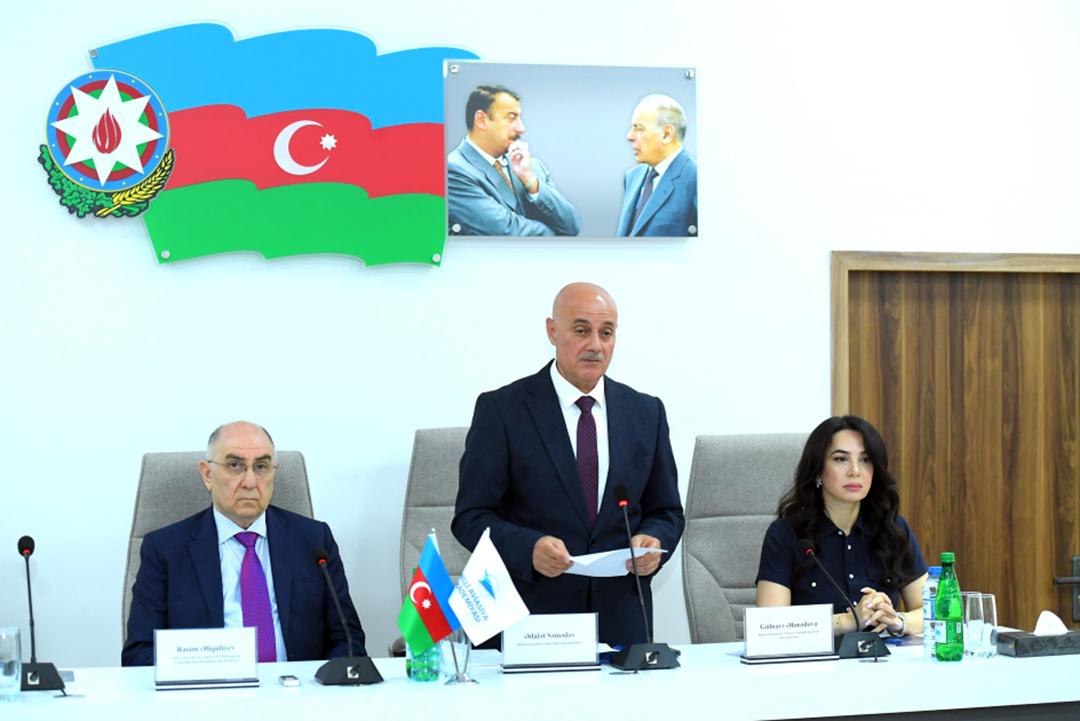
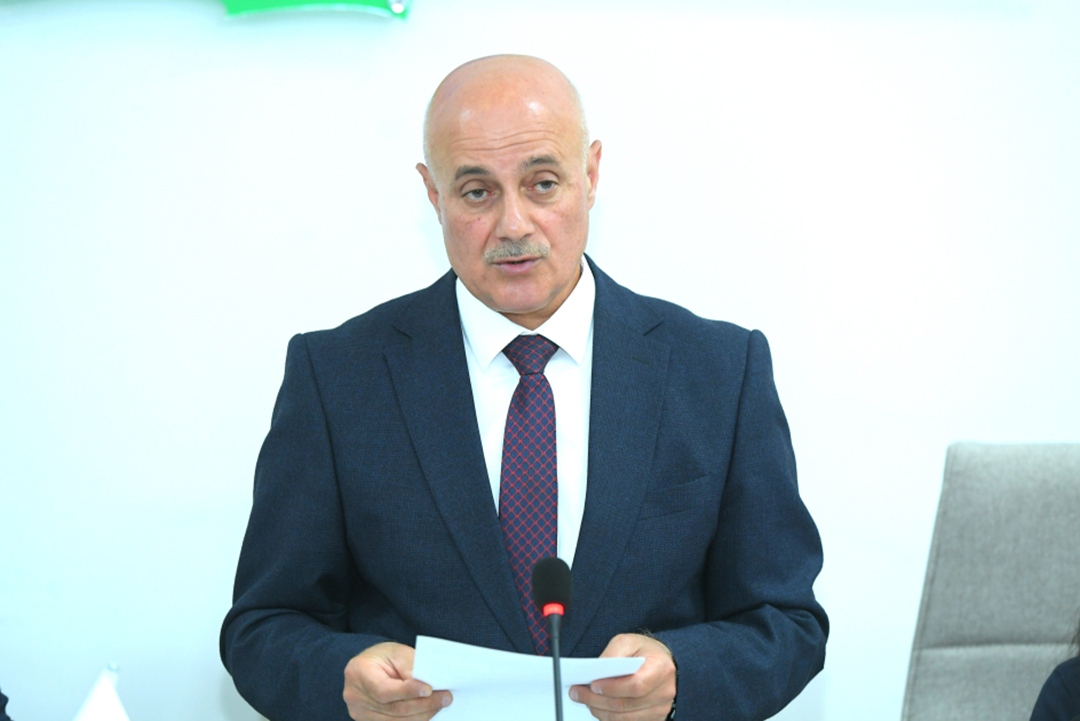
AZERTAC reports that, at the opening ceremony, the NAA’s First Vice-Rector, Professor Adalat Samedov, welcomed the conference participants on behalf of the Academy’s Rector, Academician Arif Pashayev, and wished the event success. Professor Adalat Samedov stated that the rapid development of artificial intelligence technologies was creating new opportunities in various fields of science, education, and industry and emphasized the special importance of expanding international cooperation in this area.
It was noted that the state policy on the development and application of artificial intelligence in the Republic of Azerbaijan had been systematized and grounded on strategic foundations through the "Artificial Intelligence Strategy of the Republic of Azerbaijan for 2025–2028", signed by President Ilham Aliyev. Adopted on the initiative of President Aliyev, the document defines the leading directions of digital transformation in the country and provides for the integration of artificial intelligence into the economy, science, security, and other key areas of society.
In the modern era, artificial intelligence (AI) technologies are becoming one of the leading drivers of global scientific and technological advancement. Far from being limited to the information technology sector, AI creates extensive application opportunities in aviation, space research, security systems, education, governance, the defense industry, and other strategic fields. The integration of artificial intelligence into the aerospace sector opens up new scientific and practical avenues in terms of processing large-scale data, enhancing flight safety, analyzing satellite observations, developing intelligent control systems, and advancing simulation technologies.
According to the vice-rector, the conference would feature 90 reports across six breakout sessions, in addition to the plenary addresses. Alongside Azerbaijan, scientists, researchers, and experts from Türkiye, Germany, Sweden, Denmark, Kazakhstan, Uzbekistan, and Russia participated in the event. It had also drawn researchers and scholars from nearly 30 higher education institutions, scientific centers, government agencies, and corporate entities from Azerbaijan and abroad who attended the event.
Professor A. Samadov extended his sincere thanks to all organizers, participants, and partner organizations for their contributions to the high-level execution of the conference. He wished the participants productive exchanges of views, success in their scientific endeavors, and joint projects that would continue beyond the two-day dialogue.
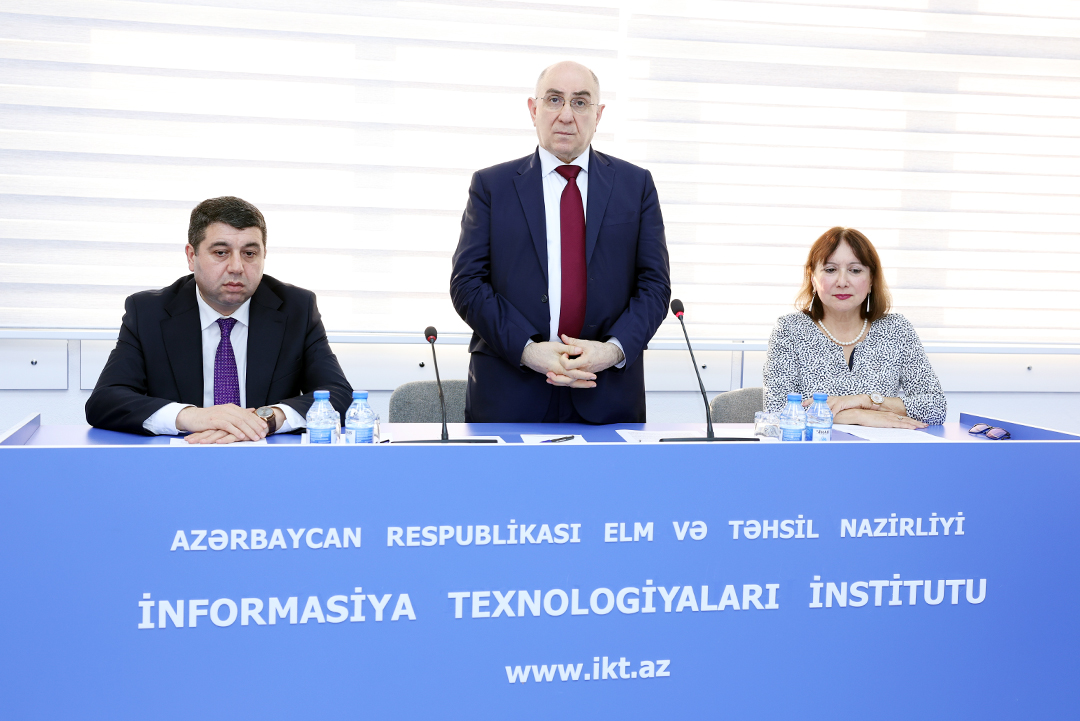
Academician Rasim Alguliyev, Vice-President of the Azerbaijan National Academy of Sciences (ANAS) and Director General of the Institute of Information Technology under the Ministry of Science and Education, stated that artificial intelligence (AI) technologies had become one of the primary driving forces behind global processes in the modern era. The scholar pointed out that against the backdrop of intensifying competition among superpowers increasingly shifting toward the technological realm, artificial intelligence occupied a special place as a strategic priority in Azerbaijan's foreign policy as well.
The Director General of the Institute noted that the country's domestic policy was closely aligned with global trends, driving the implementation of systematic approaches to AI and digital growth. The scholar also emphasized that the establishment of the Digital Development Council, led by the First Vice-President of the Republic of Azerbaijan, Mehriban Aliyeva, along with the approval of the “Action Plan for Accelerating Digital Development in the Republic of Azerbaijan for 2026–2028”, underscored the government's strong commitment to this sector.
Academician Rasim Alguliyev stated that significant steps were currently being taken toward digitalisation nationwide, highlighting the critical importance of a digital state meeting key architectural standards, specifically technological, data, and network sovereignty.
Elvin Balajanov, Executive Secretary of the National Cybersecurity Center of the State Security Service, delivered a presentation on “Cybersecurity of Artificial Intelligence and Aerospace Systems: New Risks and Defense Approaches", providing information about the challenges arising in this field and ways to address them.
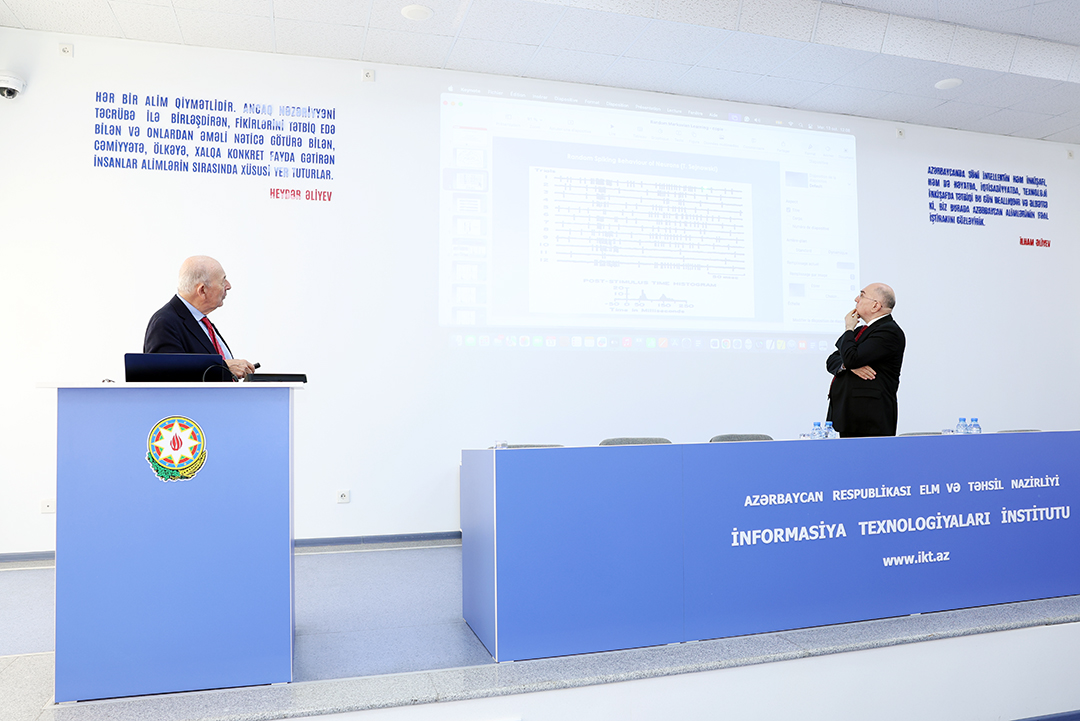
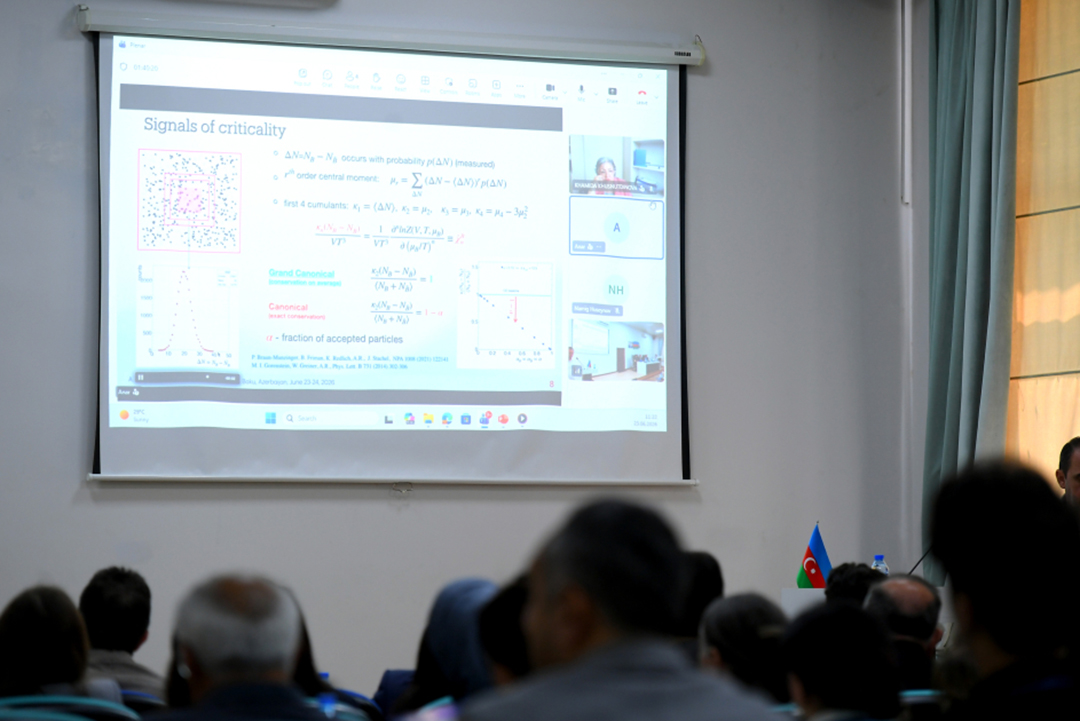
Within the framework of the conference, presentations by both foreign and local scientists were heard. Professor Anar Rustamov, physics coordinator of the HADES experiment in Germany, presented on “Fuzzy Intelligence: Detection of Phase Transitions in Complex Systems”; Professor Hamida Khusnutdinova from Tashkent State Transport University spoke on “Integration of Artificial Intelligence into the Educational Process”; and Abzaddin Adamov, Dean of the School of Information Technologies and Engineering at ADA University, delivered a video presentation on “Engineering Challenges in Achieving Human-Level Intelligence in Modern Artificial Intelligence".
© All rights reserved. Citing www.iсt.az is necessary when using news.