A
A
A
San serif
Serif
An article co-authored by Ramiz Aliguliyev, head of department at the Institute of Information Technology under the Ministry of Science and Education; director of the Institute of Data Science and Artificial Intelligence at Azerbaijan Technical University; and corresponding member of ANAS, and Gunay Iskandarli, senior researcher at the Institute and PhD in Technical Sciences, titled “Assessment of e-government services by sentiment analysis of citizen comments” has been published. The research paper appeared in the journal “Electronic Government,” which is indexed in the international scientific databases Scopus and Web of Science.
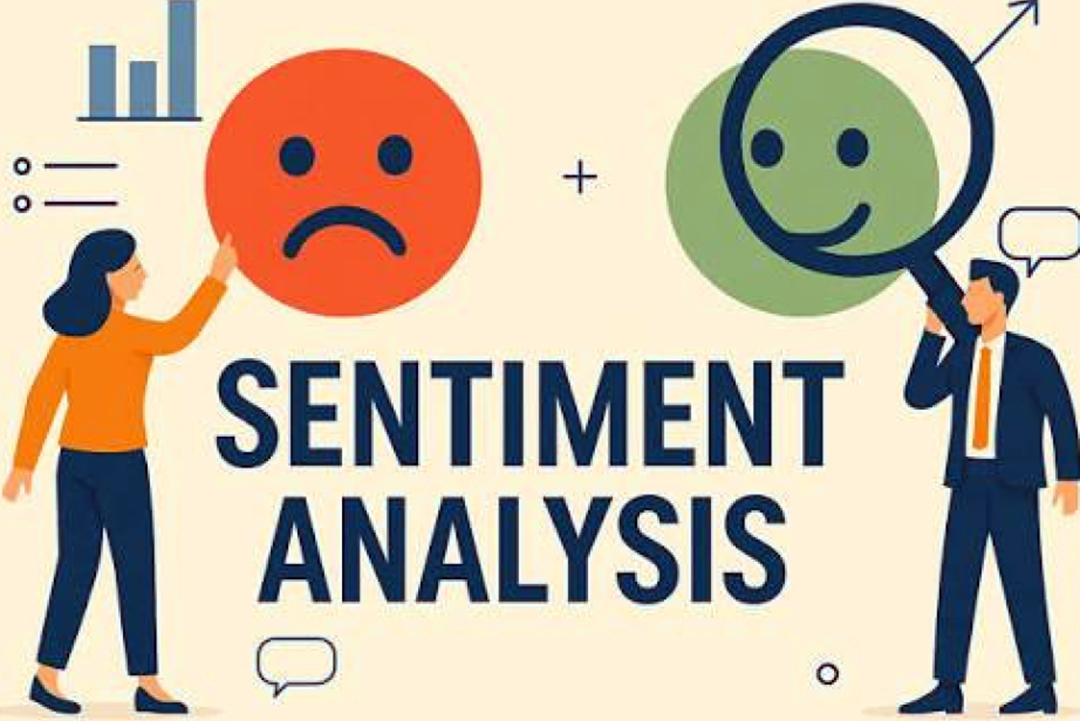
The Institute informed AZERTAC that the article proposes a new method based on artificial intelligence and sentiment analysis technologies to evaluate the quality of digital government services and citizen satisfaction. In the study, citizen feedback regarding digital services is automatically categorized into three groups: positive, negative, and neutral, and the level of citizen satisfaction across government agencies is determined based on their analysis.
According to the researchers, unlike existing evaluation approaches, the proposed method is not limited to determining the level of citizen satisfaction. This method also makes it possible to assess changes in the problems causing citizen dissatisfaction over time, as well as the efforts of government agencies toward addressing those issues.
The article notes that one of the main advantages of the method is that it enables the rapid evaluation of digital government services through the automatic processing of citizen feedback using artificial intelligence and sentiment analysis technologies. At the same time, by analyzing the semantic similarity of phrases that frequently occur in negative comments, it determines whether the issues are newly emerging or recurring.
Experimental verification of the proposed method was carried out based on a dataset of 10,000 user reviews. The results indicated that this artificial intelligence model is a promising approach for evaluating citizen satisfaction, tracking the dynamics of existing problems in public services, and determining the effectiveness of measures taken to resolve them.
The authors believe that the proposed method can make a significant contribution to improving the quality of digital government services, advancing citizen-centric governance, strengthening transparency and trust in state-citizen relations, and supporting more informed decision-making in public administration.