A
A
A
San serif
Serif
May 17th is World Telecommunication and Information Society Day
World Telecommunication and Information Society Day, which reflects humanity's technological development trajectory and the essence of the transition to an information society, is celebrated internationally every year on May 17. The first International Telegraph Convention was signed in Paris in 1865, and the International Telecommunication Union was created, establishing the institutional foundations of the global communication system.
In recognition of the historical significance of this event, World Telecommunication Day was established in 1969, and in 2005, the UN declared World Information Society Day. At a conference held in Antalya in 2006, these two major occasions were unified into a single platform and incorporated into the international calendar as World Telecommunication and Information Society Day.
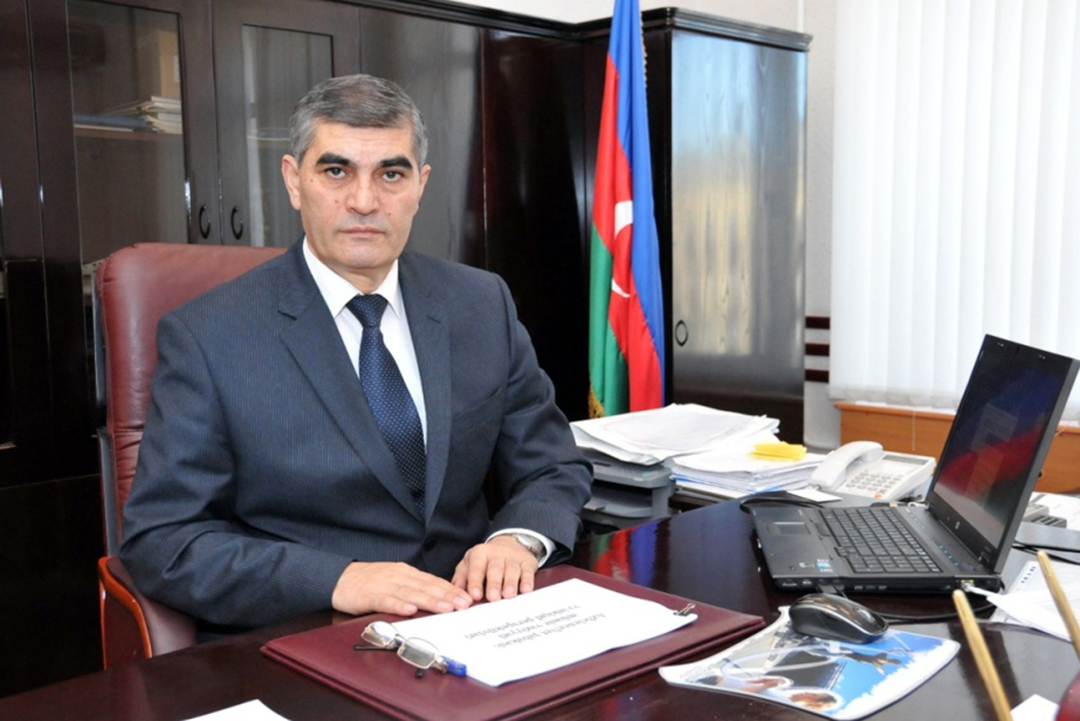
Associate Professor Rashid Alakbarov, PhD in Technical Sciences and Executive Director of the Institute of Information Technology of the Ministry of Science and Education, was interviewed by the "Khalg gazeti" regarding the mission and objectives of this international day, while highlighting Azerbaijan's current standing in the field. He noted:
– In the modern era, this day also serves as a strategic discussion platform where the future directions of the global information environment are shaped. Each year, the International Telecommunication Union determines a theme that reflects contemporary global challenges. He noted that in recent years, priorities such as digital inclusivity, sustainable development, and the adaptation of the elderly to digital technologies have held a special place in this context. The theme specified for 2026, “Digital lifelines: Strengthening resilience in a connected world,” brings the strategic importance of information infrastructure resilience and reliability to the forefront for modern society. This approach emphasizes the vital role of the internet, satellite communications, submarine cable systems, and other digital communication networks in terms of global security, economic stability, and social well-being.
Rashid Alakbarov recalled that the International Telecommunication Union (ITU) admitted our country as a member on April 10, 1992. This step marked a crucial milestone in the country’s integration into the international telecommunications system following its independence. Acting as an active participant in the global telecommunications and information space, Azerbaijan has shaped its national digital development strategy in alignment with international standards and emerging challenges. Over the past period, consistent and systematic measures have been implemented in the country toward building an information society, expanding e-government mechanisms, and establishing a modern technological infrastructure.
The primary driving force behind these processes is a purposeful and conceptual policy. The normative-legal acts approved by President Ilham Aliyev have defined digital transformation not merely as technological modernization but as one of the priority directions of the national development strategy. In particular, the formation of a unified governance model in the field of digitalization has enabled the strengthening of institutional coordination and the efficient utilization of resources.
President Ilham Aliyev has repeatedly emphasized in his speeches that the consistent, systematic, and comprehensive development of Azerbaijan’s transport and communication infrastructure is key to strengthening the country’s geostrategic position. This approach forms a vital component of the national strategy to transform Azerbaijan into an international transit and logistics hub along the East-West corridor. Ultimately, it serves to expand the country’s capacity to participate in both regional and global economic integration processes.
This strategy also enhances Azerbaijan's prospects of becoming a major provider of internet communication channels and backbone networks in the region. Furthermore, the approval of the national cybersecurity strategy has elevated the protection of the digital environment to one of the priority directions of state policy. This strategy encompasses critical tasks such as strengthening the security of information systems, protecting vital information infrastructure, and establishing agile response mechanisms against cyber risks.
The interviewee further noted that, in the modern era, telecommunications and information technologies constitute one of the fundamental pillars of nations' national security, economic stability, and social resilience.
– Digital communication channels represent a multi-layered infrastructure that ensures the uninterrupted operation of internet and communication networks, even during emergencies and cyber threats. Digital resilience means that the infrastructure can protect itself from threats and keep working by using backup systems and different routing methods. In this regard, Azerbaijan is strengthening its digital ecosystem and reinforcing its role as a regional digital bridge by expanding fiber-optic networks, increasing international data exchange channels, establishing regional data centers, and implementing cloud technologies.
Highlighting that the primary advantage of our country's digital communication channels lies in a geographically and technically diversified international connectivity model, the executive director said:
– The continuity of information flow is determined not just by speed but by the availability of alternative routes and backup lines. The multi-directional fiber-optic backbones established for this purpose serve as one of the core pillars of the country’s digital sovereignty. Azerbaijan possesses international fiber-optic connections extending toward Türkiye, Georgia, Russia, and Iran. This multi-vector model ensures that in the event of technical failures, natural disasters, or traffic congestion, data traffic can be seamlessly rerouted through alternative channels, thereby safeguarding uninterrupted access to the global internet.
As a result, the country minimizes the risk of depending on a single communication line. National operators—namely Delta Telecom, Aztelekom, and AzerTelecom—play a pivotal role in international traffic exchange and network modernization. This infrastructure ensures the resilience of public administration, finance, energy, transport, and emergency services. Ultimately, this multi-directional connectivity model strengthens Azerbaijan's position as an East-West digital transit hub and guarantees the country’s reliable access to the global information space.
Rashid Alakbarov stated that the Trans-Caspian Fiber-Optic Cable Line project is a strategic initiative that strengthens Azerbaijan's role as a digital bridge between the East and the West.
– The subsea cable to be laid across the Caspian Sea will directly connect Azerbaijan with Central Asian countries, accelerating interregional data exchange and establishing an alternative communication route. The project reduces the reliance of Euro-Asian traffic on limited backbone networks, ensuring faster, more secure, and reliable internet connectivity. This reinforces Azerbaijan's position as a digital transit hub from both technological and geopolitical perspectives. By contributing to the development of the 'Digital Silk Road,' the Trans-Caspian backbone stimulates Central Asia's integration with Europe, while driving the growth of data centers and technological investments. Consequently, Azerbaijan elevates from a regional transit country to a strategic digital hub.
Digital resilience is no longer ensured solely by terrestrial fiber-optic networks but also by space infrastructure. Azerbaijan’s satellite communication system acts as a “space backup layer” for the digital ecosystem, ensuring uninterrupted connectivity. Managed by Azercosmos, the Azerspace-1 and Azerspace-2 satellites provide communication, TV broadcasting, internet, and security services, strengthening the country’s integration into the global communication system and expanding its service exports. In times of natural disasters and technical failures, satellite communications support the continuous operation of public administration and strategic sectors by providing alternative connectivity. Consequently, fiber-optic networks, the Trans-Caspian cable, and satellite infrastructure collectively shape Azerbaijan’s multi-tiered and resilient digital model.
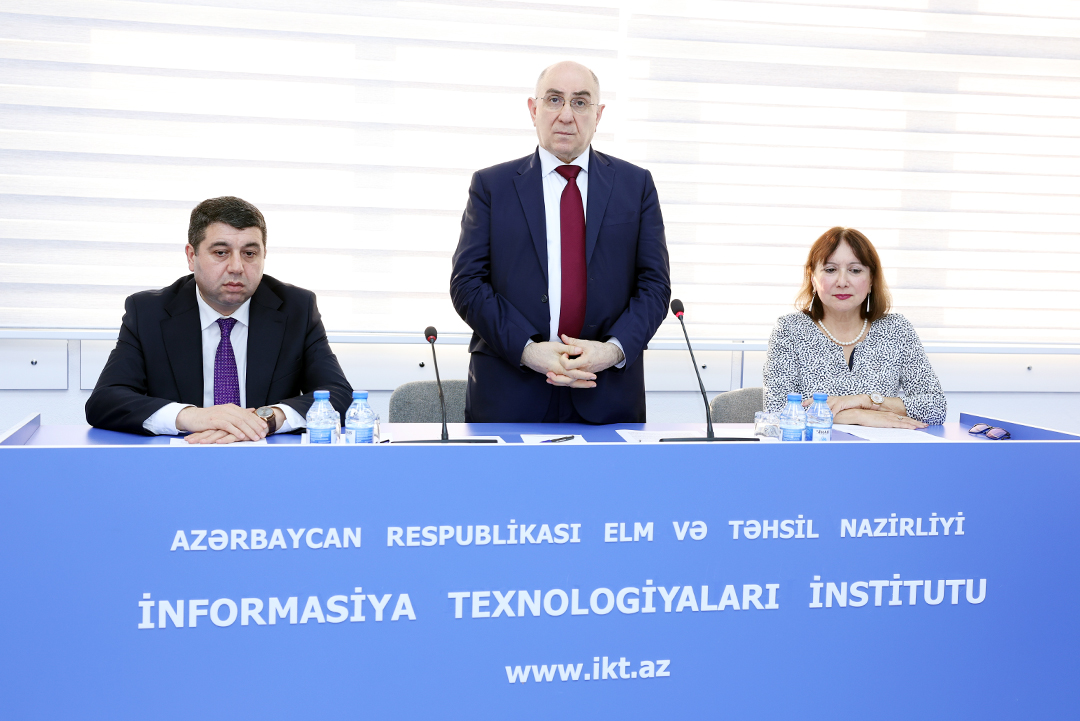
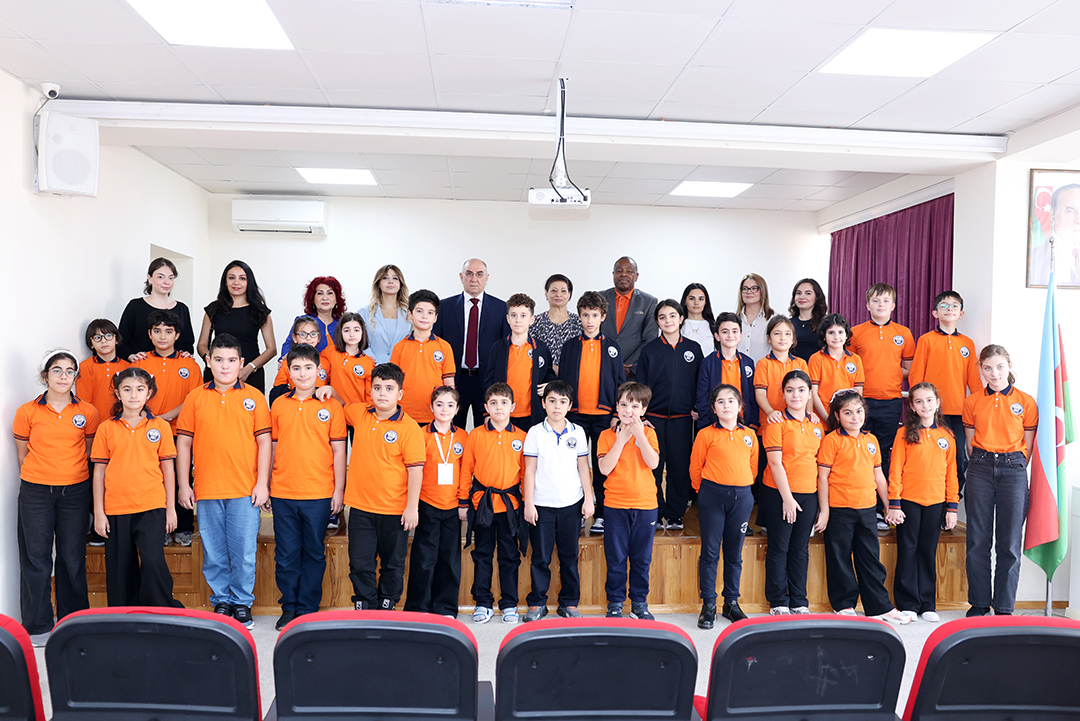
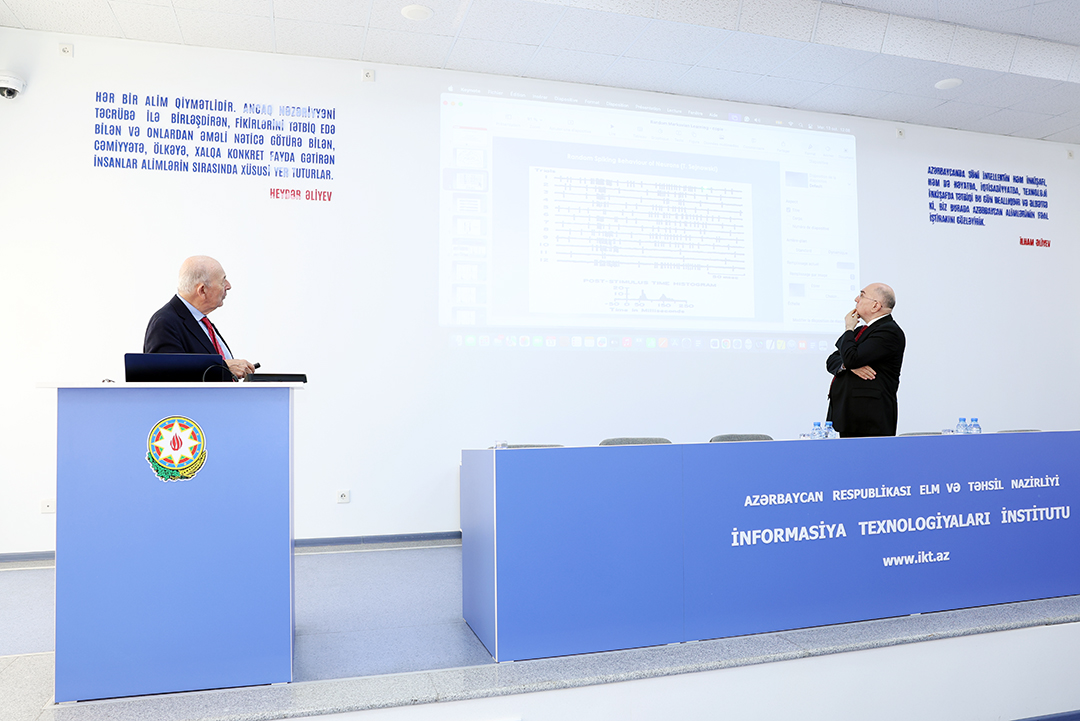
We can conclude our interviewee's remarks by highlighting that our country has been regularly celebrating World Telecommunication and Information Society Day since 2006, placing a special emphasis on promoting digital development. Each year, topics such as the digital economy, cybersecurity, e-government, and innovation are discussed through various conferences, forums, and exhibitions. Furthermore, seminars and competitions held in educational institutions boost youth interest in the ICT sector. The seminars and conferences dedicated to World Telecommunication and Information Society Day at the Institute of Information Technology of the Ministry of Science and Education of the Republic of Azerbaijan represent a scientific tradition that has been ongoing since 2006.
These events cover key domains such as the information society, digital transformation, cybersecurity, and artificial intelligence, facilitating the discussion of scientific findings and strengthening cooperation among the public, private, and academic sectors. Consequently, these initiatives make a significant contribution to reinforcing the scientific foundations of the country's digital development.
Correspondent: Mustafa KAMAL