A
A
A
San serif
Serif
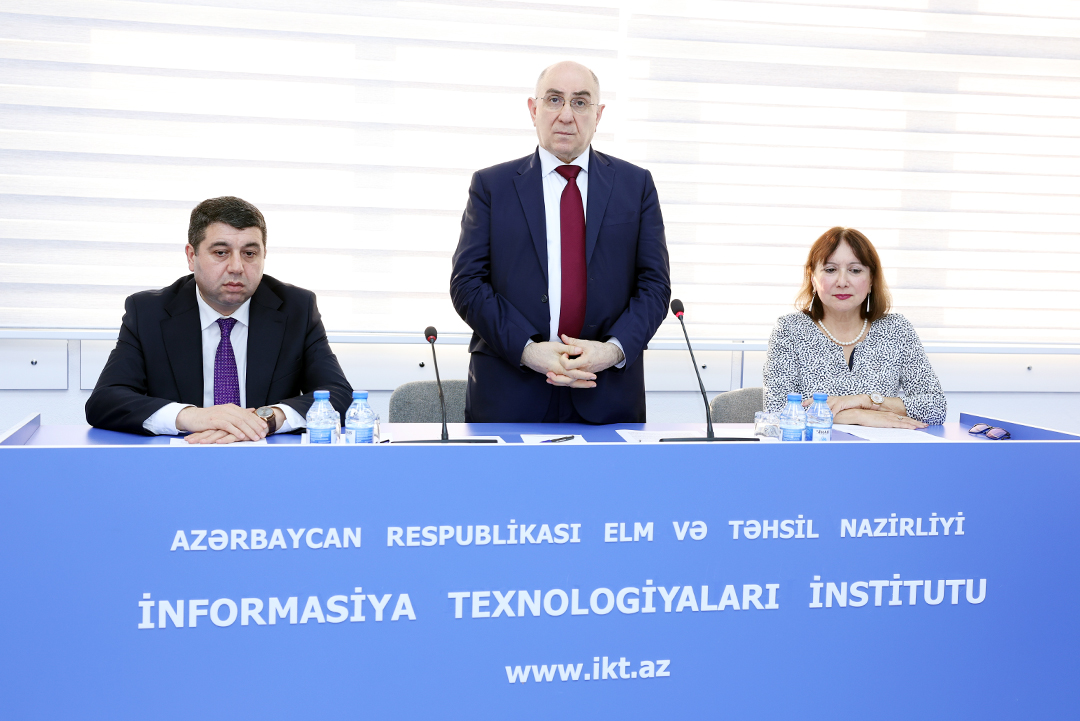
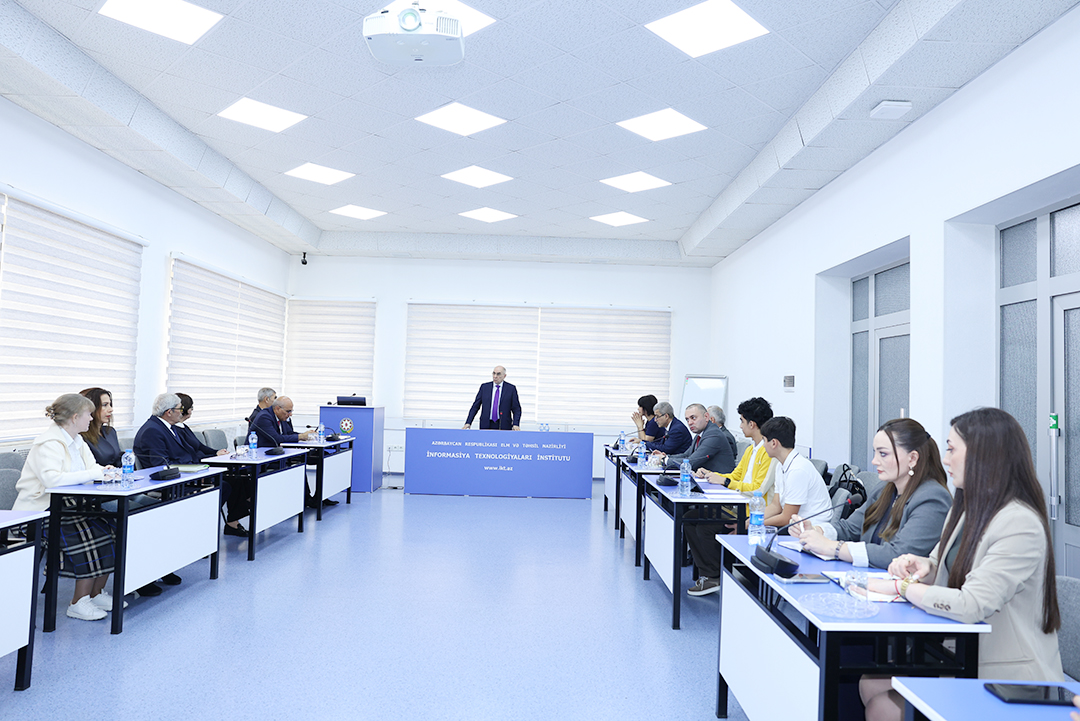
On the occasion of May 17 – World Telecommunication and Information Society Day, discussions were held at the Institute of Information Technology of the Ministry of Science and Education on the resilience of digital communication infrastructure and internet channels.
AZERTAC reports that Academician Rasim Alguliyev, Vice-President of ANAS and Director General of the Institute, emphasized that, by a UN General Assembly resolution, May 17 has been celebrated as World Telecommunication and Information Society Day since 2006.
The scientist noted that in 2026, this remarkable day is celebrated under the theme “Digital lifelines: Strengthening resilience in a connected world.” He stated that the primary objective of this motto is to highlight the strategic importance of digital channels and networks, including the internet and satellite communications, as well as submarine and terrestrial fiber-optic cables for the modern era. Furthermore, it aims to bring the necessity of ensuring the secure, resilient, and uninterrupted operation of these systems to the attention of the global community.
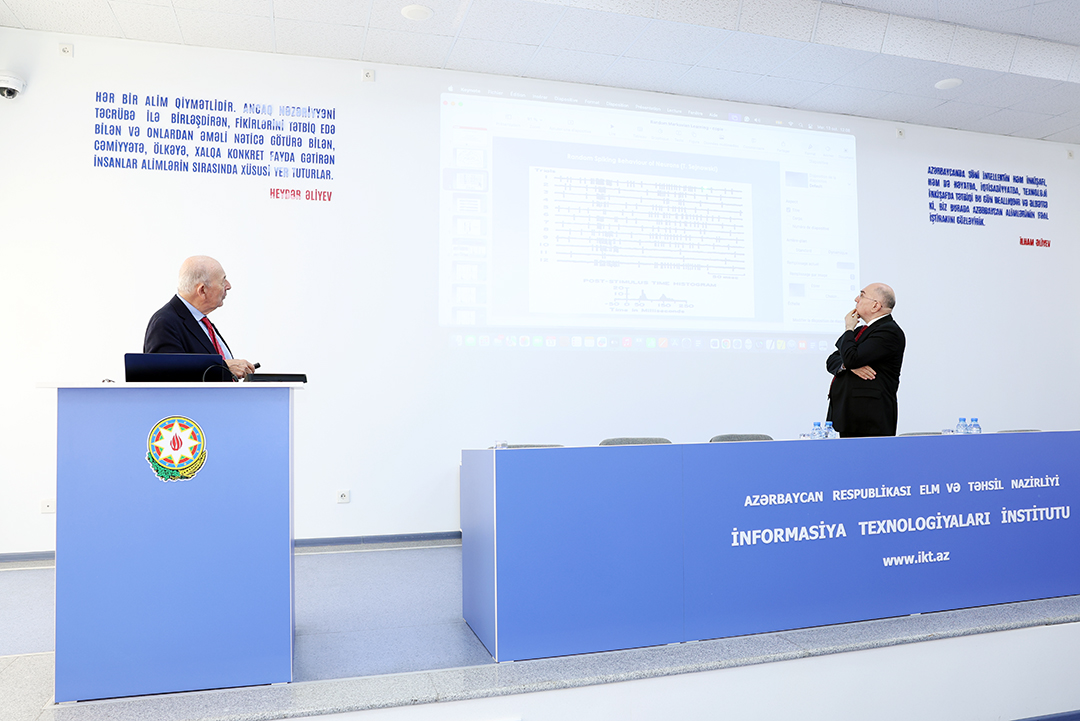
Associate Professor Rashid Alakbarov, PhD in Technical Sciences and Executive Director of the Institute, delivered a presentation dedicated to the theme of the day, titled “Internet Communication Channels at Global and National Levels: Analysis of the Current State, Risks, and Perspectives.” He emphasized the significance of internet exchange points. Furthermore, he analyzed the Europe-US transatlantic fiber-optic lines, the characteristics of the global submarine communication network, and the existing risks. The speaker also highlighted the importance of satellite communication for global coverage, remote areas, and emergencies.
Touching upon the current state of Azerbaijan's digital channels with the international community, Assoc. Prof. Rashid Alakbarov noted that the country possesses multi-directional fiber-optic connections toward Türkiye, Georgia, Russia, and Iran. Stating that the “Digital Silk Way” project between Europe and Asia is underway, Rashid Alakbarov emphasized that the Trans-Caspian fiber-optic cable line between Azerbaijan and Kazakhstan, which is an integral part of this project, aims to strengthen Azerbaijan's transit and digital sovereignty roles. Furthermore, the management of satellite communications by “Azercosmos” creates alternative and emergency communication opportunities.
The scientist emphasized that Azerbaijan's digital infrastructure is no longer just an internet service but also the backbone of the digital economy and technological sovereignty. The supercomputers to be commissioned in 2026 and their integration with digital channels will further expand strategic capabilities in artificial intelligence, cybersecurity, and other critical sectors.
Speaking on the topic, Academician Rasim Alguliyev pointed out that high-throughput communication channels have been widely implemented recently in the face of extreme data deluges. He noted that these channels play a crucial role in enhancing the resilience of digital infrastructure at both global and national levels, as well as in shaping a secure internet connection environment. Taking into account the rising global technological dependencies and monopolies in this field, the scientist drew attention to the strategic risks and threats that internet communication, colonialism, and imperialism could pose in the future.
Academician Rasim Alguliyev noted the necessity of deeply and systematically investigating the problems that these processes create for the global internet connection infrastructure and data exchange networks. Furthermore, the scientist emphasized the importance of preparing an analytical review that reflects international communication infrastructure problems alongside the comprehensive measures implemented in this field in Azerbaijan. He added that this review should be published in prestigious international journals.