A
A
A
San serif
Serif
The "Smart City" and "Smart Village" concepts implemented in the liberated territories attract special interest on international platforms as one of the most crucial pillars of Azerbaijan's digital transformation strategy. This approach can be presented as a leading practice in sustainable urbanization, innovative urban planning, and post-conflict reconstruction, particularly within the context of the 13th Session of the World Urban Forum (WUF13).
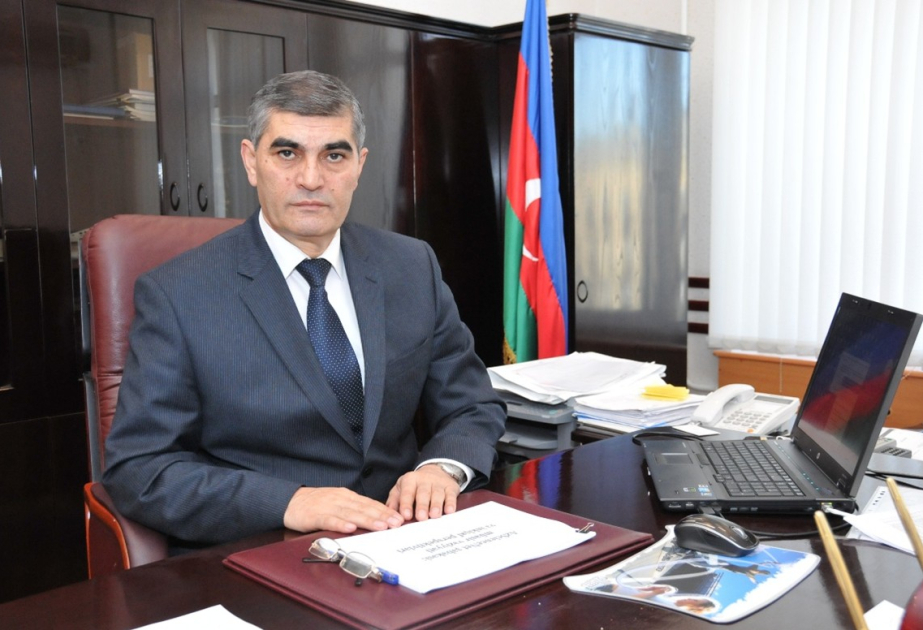
This information was provided by Rashid Alakbarov, Executive Director of the Institute of Information Technology under the Ministry of Science and Education, Doctor of Philosophy in Technical Sciences, and Associate Professor. He noted that, unlike the traditional urban planning model, the new settlements established in the liberated territories are developed based on the principle of a redesigned digital ecosystem. This model entails the integration of energy, transport, utilities, governance, and social services through a unified digital platform. Consequently, towns and villages become interconnected and agilely managed areas, not only physically but also through "smart" technologies.
These initiatives are implemented in line with the Sustainable Development Goals (SDGs) adopted by all United Nations Member States, particularly global calls for the creation of sustainable cities and villages. For instance, the widespread application of renewable energy sources, the "green energy zone" concept, "smart" irrigation systems, and digital agricultural solutions serve to preserve the ecological balance of the region. At the same time, "smart" transport and logistics solutions accelerate the economic reintegration of these territories.
Within this framework, the "smart city" and "smart village" projects implemented in the Karabakh and East Zangezur economic regions, specifically in the cities of Aghdam, Fuzuli, and Zangilan, as well as in the Lachin district, have become a modern urbanization model for the region, demonstrating vivid examples of the practical application of this concept.
Within the framework of WUF13, this model can be presented as an innovative example of urban and rural reconstruction in the post-conflict period. This is because the primary goal here is not merely infrastructure restoration, but also the building of a sustainable, secure, and digital society for future generations. This approach demonstrates that by combining modern technologies and green development principles, Azerbaijan is contributing to the formation of a new urbanization model in the region.
Thus, the "Smart City" and "Smart Village" concepts serve not only as a national recovery program but also as an innovative model of development that contributes to the global urban planning agenda.