A
A
A
San serif
Serif

In the process of managing a digital state, evaluating society for various purposes, as well as studying and forecasting social processes through analytical methods, are among the critical tasks facing state institutions. Technologies such as Big Data, cloud computing, the Internet of Things (IoT), and Artificial Intelligence (AI) enable government agencies to develop essential information resources regarding citizens in compliance with legislative requirements and to utilize this data effectively for diverse objectives.
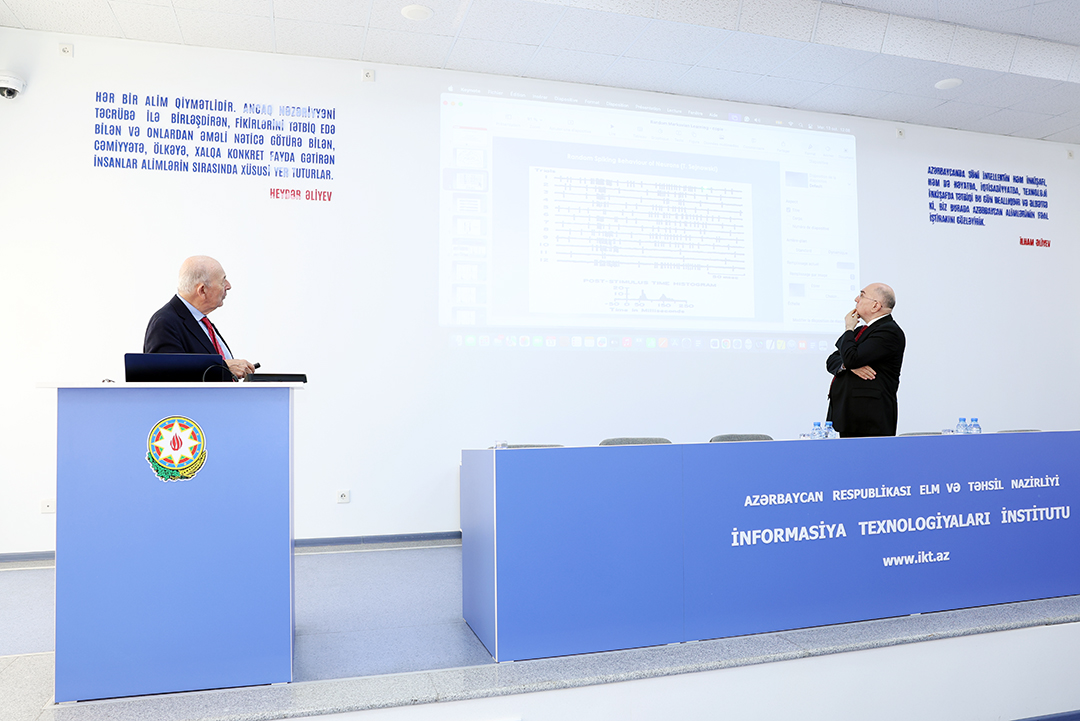
Irada Alakbarova, Chief Scientist at the Institute of Information Technology of the Ministry of Science and Education and PhD in Technical Sciences, provided this information. She highlighted the consistent policy pursued under the leadership of the Head of State toward the formation of a digital state and the transition to a modern management model in Azerbaijan. Alakbarova noted that the "Action Plan for Accelerating Digital Development in the Republic of Azerbaijan for 2026–2028," approved by President Ilham Aliyev, defines critical objectives for scientific institutions and organizations alongside relevant government agencies.
I.Alakbarova stated that the primary objective of conducting research on the establishment of a social credit mechanism in Azerbaijan is to identify its key features and prospects as an effective management tool within the digital state model. Furthermore, the research aims to develop methods and algorithms for evaluating citizens and society across various dimensions.
According to the researcher, the collection of essential citizen data across various government agencies, the mutual integration of these resources, and the formation of a centralized national data ecosystem are among the primary tasks of building a digital state. “One of our main targets is to conduct research focused on assessing the social credit—in other words, the social standing and public reputation—of citizens based on these databases,” the researcher stated.
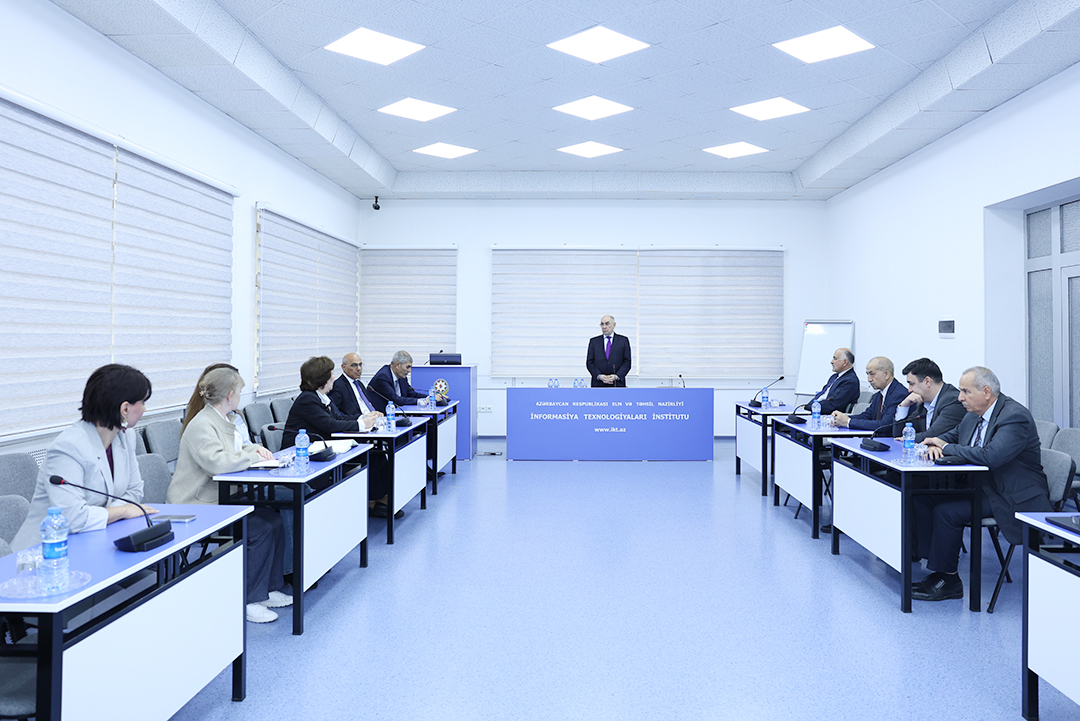
Academician Rasim Alguliyev, Vice-President of the Azerbaijan National Academy of Sciences (ANAS) and Director General of the Institute of Information Technology, shared his views on the subject, emphasizing the high relevance of research into assessing an individual's social credit in the modern era. The scientist noted that under the leadership of President Ilham Aliyev, building a digital state, forming a new digital architecture, and ensuring the country's cybersovereignty and cybersecurity have become priority areas of state policy. Optimizing social management, ensuring the comprehensive development of society, and improving the social welfare of citizens are among the primary goals of the digital state.
According to the scientist, the digital state is not merely a technological model but a complex management system that integrates social, legal, and other aspects. In this regard, it is of vital importance to conduct a scientifically grounded study of the essence, purpose, and technological challenges of the social credit mechanism, as well as to examine international experience in this field.
The academic also highlighted that the acceleration of digitalization processes in the 21st century increases transparency in society, while the collection and analysis of data across various fields create new opportunities in state administration and help form effective governance mechanisms.
“The capabilities of the digital state and artificial intelligence make it possible to assess the social credit of individual citizens based on indicators that characterize their positive and negative activities, as well as to form a sociogram of society as a whole. The use of this sociogram and the social credit scores of individuals opens broad prospects for determining the social capital of both individuals and society and their strengths and weaknesses, as well as citizen satisfaction and responsibility. The higher the social capital of the digital state, the more intellectual, resilient, and strong that society will be,” he emphasized.