A
A
A
San serif
Serif
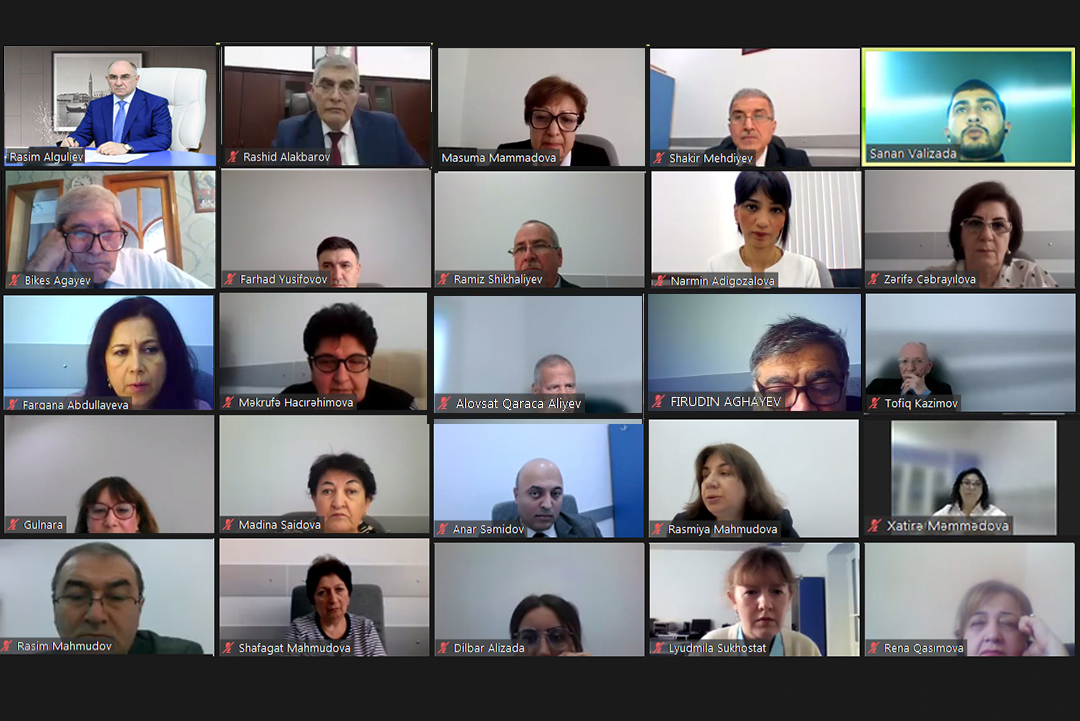
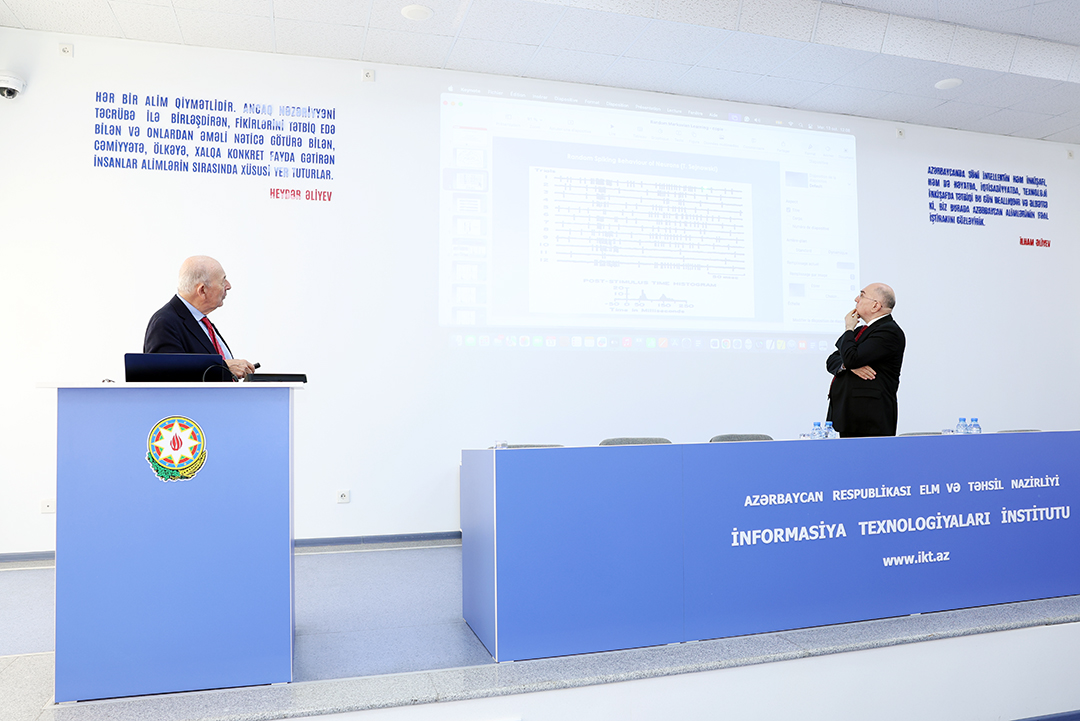
The Institute of Information Technology of the Ministry of Science and Education held the next scientific seminar dedicated to the topic “The Necessity of Investigating Existing Problems in the Field of Digital Forensics.”
Opening the seminar with a welcoming address, Academician Rasim Alguliyev, Vice-President of ANAS and Director General of the Institute, said that systematic scientific research has been launched in the field of digital forensics, one of the key areas of cybersecurity at the institute. The scientist highlighted that a comprehensive and in-depth study of the existing problems in this field carries special significance at the national level and assessed the ongoing research as a strategic direction in line with the institute’s operational priorities.
Academician Rasim Alguliyev stated that strengthening scientific and theoretical research in digital forensics in the country will make a significant contribution to providing prompt and effective responses to modern challenges in the field of cybersecurity, as well as to the training of highly qualified specialists in the technological aspects of digital forensics.
The institute’s PhD student, Sanan Valizade, then delivered the presentation, noting that the rapid development of information technologies has led to an increase in legal violations in the digital environment, requiring the development of new approaches for the collection, preservation, and analysis of digital evidence.
The researcher stated that digital forensics plays a crucial role in the national security strategies of leading countries worldwide. He added that digital forensics is widely developed in countries such as the United States and the European Union, as well as Japan and South Korea, and that innovative approaches are being applied. He provided extensive information about the experience of these countries.
Sanan Valizade also spoke about the intersections of digital forensics with traditional forensics, trace examination and digital traces, experimental modeling and simulation, traceological analysis and temporal structuring, as well as the preservation and documentation of evidence. He also highlighted the technological, legal, ethical, organizational and institutional, educational, and scientific-methodological aspects of digital forensics, addressing the challenges encountered in each area. He noted that scientific and theoretical research in the field of digital forensics has undergone dynamic changes over the past 25 years alongside technological development.
The speaker also spoke about Azerbaijan’s national priorities in the field of cybersecurity. He stated that the “Strategy of the Republic of Azerbaijan on Information Security and Cybersecurity for 2023–2027” defines specific directions related to the collection of digital evidence and the application of intelligent analysis methods. He added that the shortage of qualified personnel in the country, limitations in methodological approaches, and existing scientific and theoretical gaps necessitate the further development of this field.
Discussions were held on the topic, and questions were answered.
Academician Rasim Alguliyev, speaking on the presentation, emphasized the relevance of the topic and stated that digital forensics has already become a strategically important area in the context of national sovereignty.
Academician Rasim Alguliyev highlighted that consistent and purposeful measures are being implemented in the country to ensure digital development, strengthen the cybersecurity ecosystem, and reinforce information security. The Director General of the Institute recalled that the President of the Republic of Azerbaijan, Ilham Aliyev, had signed an order approving the “Concept for the Development of the Forensic Examination Sector in the Republic of Azerbaijan for 2026–2030.” He noted that the research conducted at the Institute in the field of digital forensics contributes to the scientific support of the law enforcement system in accordance with the approaches set out in the Concept.
The scholar also stated that the Head of State had signed a decree on the establishment of the “Judicial Expertise” information system, which aims to digitize activities in the field of judicial expertise and ensure the integration of judicial expertise institutions with state information resources and systems.
The Director General highlighted the importance of conducting comprehensive scientific research on the concepts of object and subject in cybercrime, their functional characteristics, and their interrelationships, and recommended preparing an analytical review in the field of digital forensics. Academician Rasim Alguliyev also noted that a conference dedicated to the current challenges in digital forensics is planned for 2026, to be jointly organized by the institute and relevant government agencies.
© All rights reserved. Citing www.iсt.az is necessary when using news.