A
A
A
San serif
Serif
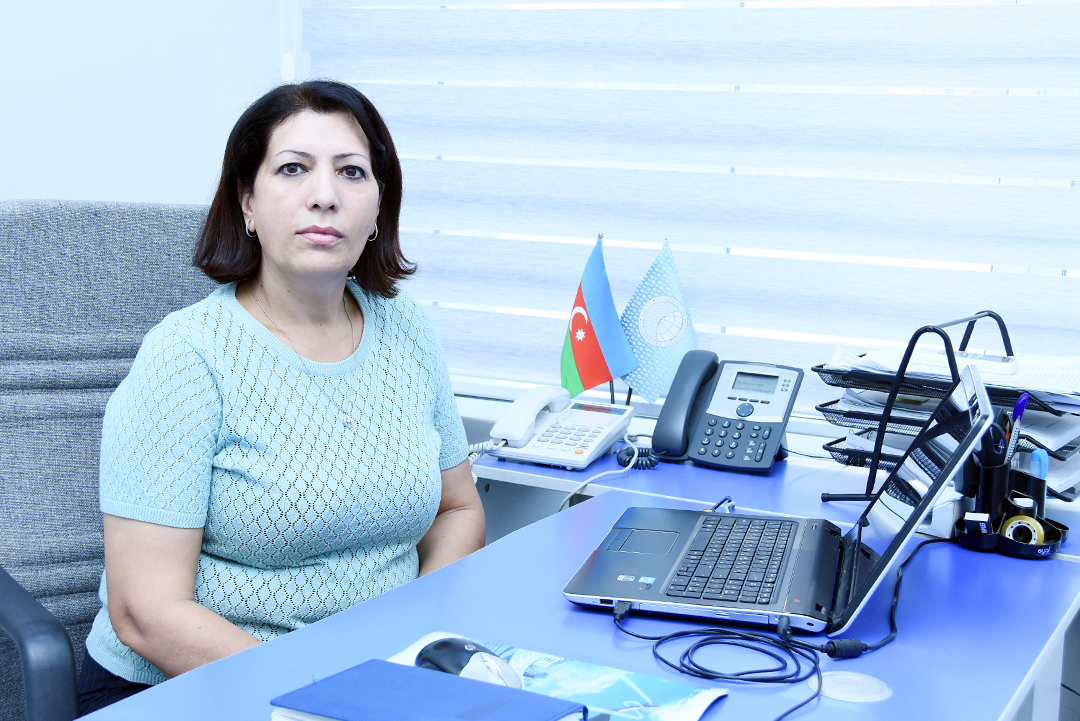
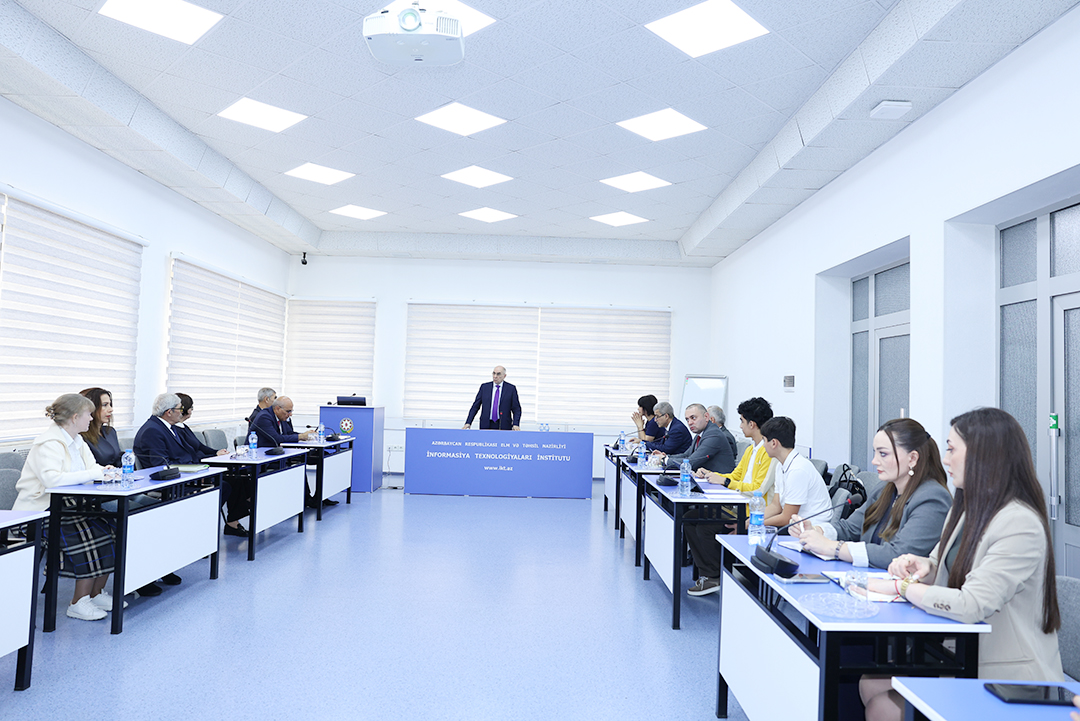
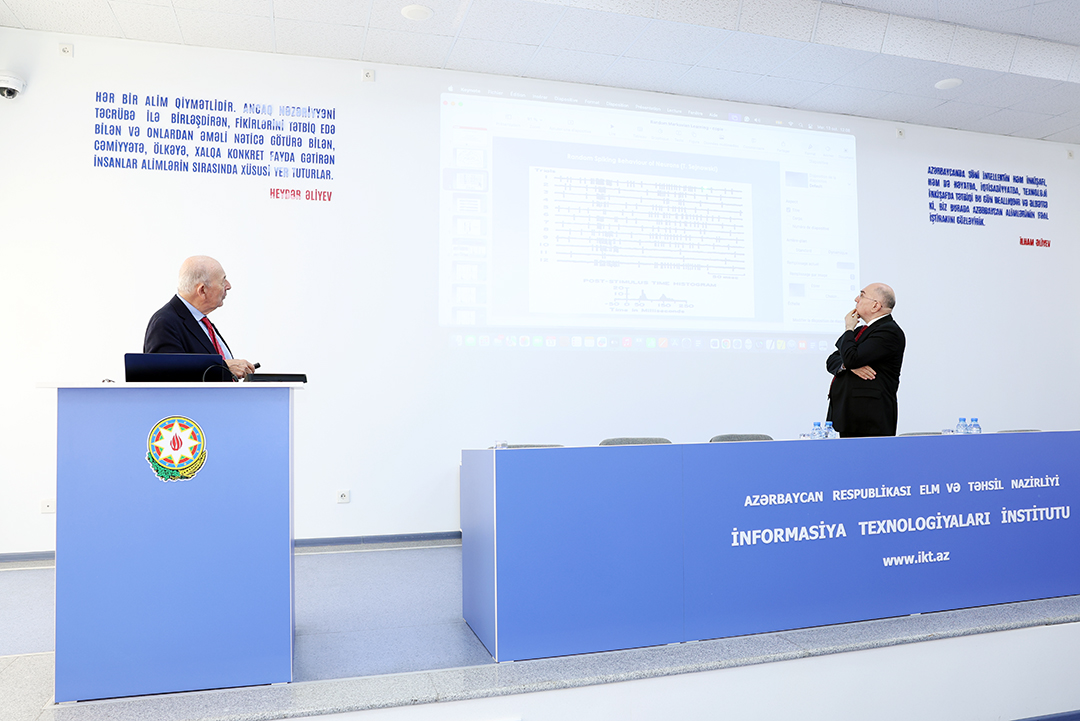
A presentation titled “Assessment of the level of linguistic sovereignty of a language on a digital platform” was delivered during the next departmental seminar held at the Institute of Information Technology of the Ministry of Science and Education.
Presenting the report, Afruz Gurbanova, a senior researcher at the institute and PhD in Technical Sciences, stated that in the 21st century, the relationship between language, technology, and society has fundamentally transformed as a result of globalization and digital innovations, noting that language is no longer confined to geographical boundaries but is shaped within global digital networks. She noted that the digital environment, as the main communication platform, creates new opportunities and challenges, while the pressures of globalization lead to the weakening of national languages and an increased risk of assimilation.
A. Gurbanova emphasized that the rapid expansion of digital technologies and global platforms strengthens the dominance of major languages from the perspective of language policy and poses a threat to cultural diversity. She noted that digital technologies are a powerful tool for creating digital resources for national languages. According to the speaker, the preservation of linguistic sovereignty is closely linked not only to language policy and legislation but also to the integration of national languages into the digital space and the provision of technological support.
The researcher noted that the main purpose of the study is to analyze the challenges posed by digital transformation in the protection, use, and development of national languages on digital platforms, to examine existing approaches and identify future perspectives, as well as to propose an index for assessing the level of linguistic sovereignty of languages in the digital space. Explaining the concept of linguistic sovereignty, the speaker stated that it refers to the independent development and standardization of a language, as well as ensuring its free use in public domains. According to her, the rapid development of the digital ecosystem increases the importance of the concept of digital linguistic sovereignty and serves to protect the sustainability and development of a language, as well as the society’s ability to express itself.
A. Gurbanova spoke about the key indicators of ensuring linguistic sovereignty in the digital environment, including the functional representation of a language on the internet, digital literacy in the mother tongue, the development of local interfaces and AI-based tools, and the use of the mother tongue in digital government services. She also emphasized that digital language policy plays an important role in terms of national security and identity.
She presented a multi-level model of linguistic sovereignty, explaining its components such as individual digital sovereignty, technological sovereignty, content sovereignty, and political-cyber autonomy. She spoke about the Linguistic Sovereignty Index used to assess the level of sovereignty of languages in the digital environment and outlined its components, including technological infrastructure, digital content, user activity, and legal support.
A. Gurbanova also reviewed global practices in the field of digital language policy, including those of Canada, the European Union, and UNESCO. She spoke about the importance of conducting pilot studies on the proposed National Linguistic Sovereignty Index within the scope of the research, integrating the results into state policy, and developing the model by adapting it to other languages. She also emphasized the importance of strengthening cooperation among specialists working at the intersection of language and technology, as well as implementing multidisciplinary projects in this field at universities and research institutes.
Then, a broad exchange of views was held on the presentation, and the questions were answered.