A
A
A
San serif
Serif

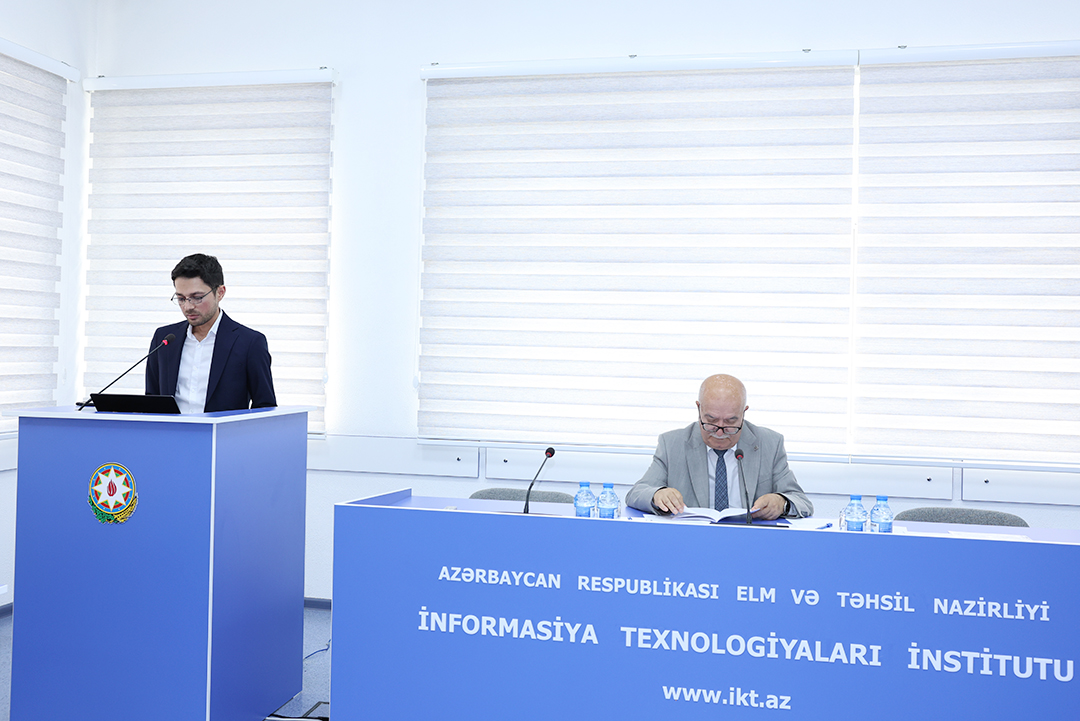
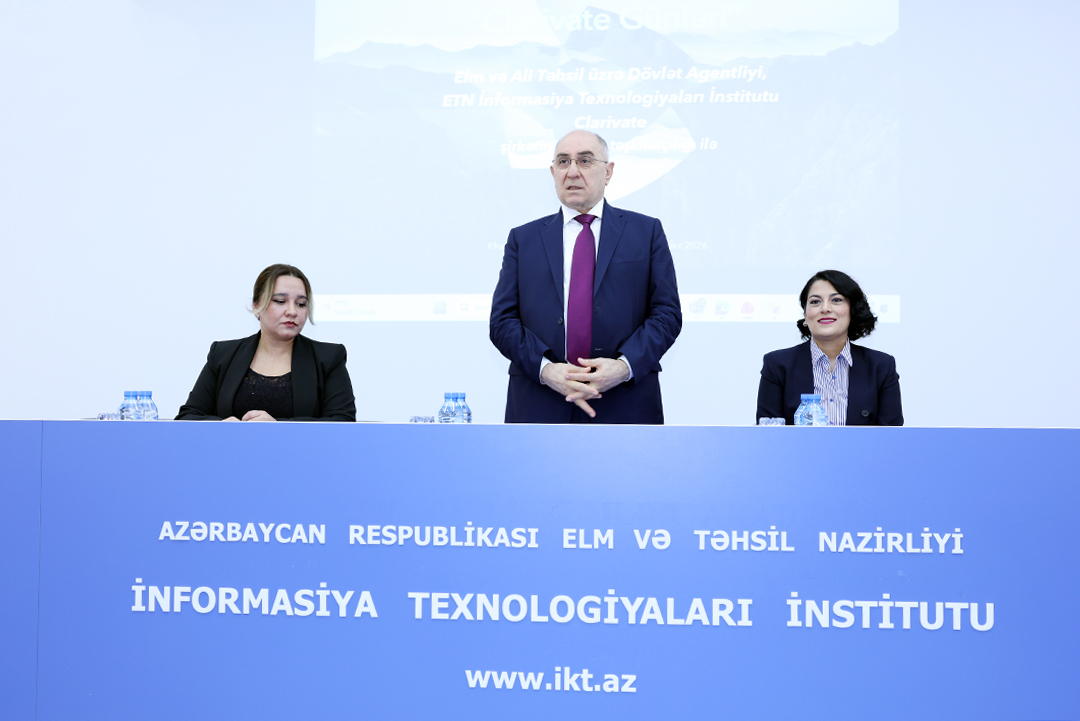
The next scientific seminar was held at the Institute of Information Technology of the Ministry of Science and Education. At the seminar the report on the topic “Protection and re-actualization of national identity in the context of digital transformations: Smart Novruz bonfire,” prepared within the framework of joint scientific cooperation between the Institute of Folklore of ANAS and the Institute of Information Technology, was made.
Speaking at the scientific seminar, Academician Rasim Alguliyev, Vice-President of ANAS and Director General of the Institute of Information Technology, noted that digital transformation was rapidly penetrating all areas of society and virtualization processes were also affecting national traditions and ceremonies.
Stating that the processes of folklorization taking place in the Internet environment were closely related to changes taking place on both a national and global scale, the scientist said that the rapid development of artificial intelligence (AI) technologies, especially in recent years, had paved the way for revolutionary innovations, and that these processes have created new opportunities in terms of studying cultural heritage.
Then Director of the Institute of Folklore of ANAS and Doctor of Sciences in Philology Hikmat Guliyev made a report dedicated to the issues of protecting national and spiritual values against the backdrop of modern technological challenges. The speaker studied the conceptual framework of the Novruz holiday, especially the Novruz bonfire, as a clear example of national traditions and ceremonies and its new functional models in modern conditions.
Drawing attention to the mutual relationships between technological transformations and folklore, the scientist noted that scientific and technological progress and information revolutions have created epochal changes, socio-demographic processes have radically transformed the socio-cultural environment, and as a result of the mutual influence of these processes, new channels for the expression of folk knowledge have emerged.
Speaking about the new tasks facing folklore studies, the speaker highlighted the importance of investigating ways to preserve national identity in the digital environment, developing models for re-actualizing resources that carry national and spiritual values, adapting traditional behavior and worldview to the new social lifestyle, and, at the same time, determining the theoretical and applied foundations for the transformation of traditional cultural creativity into digital platforms.
The speaker also touched on the social and mythological functions of the bonfire, one of the main attributes of the Novruz holiday. He noted that although the bonfire acts as a symbol of purification, renewal, and social unity in the collective cultural memory, it is accompanied by fire safety, environmental, and other risks in modern urban and rural environments.
The extensive discussions were held around the presentation, and questions were answered.
Academician Rasim Alguliyev then shared his thoughts on the presentation, offering suggestions and recommendations. He reminded participants that in accordance with a decree by the President of the Republic of Azerbaijan, Ilham Aliyev, 2026 has been declared the "Year of Urban Planning and Architecture" and highlighted that multifaceted, multidisciplinary approaches to national customs and traditions would be required during this year, particularly with respect to the specific characteristics of modern urban life. "The urban environment must be safe and clean, not posing a risk to human life. For example, during Novruz celebrations, lighting bonfires can sometimes lead to damage to asphalt, disruptions in traffic, and the blocking of roads. Additionally, forcing children to jump over the bonfire creates life-threatening risks and can lead to serious psychological and physical health problems," said the academician.
Academician Alguliyev noted that the transformation of national customs in the context of globalization and cultural interactions is ongoing but emphasized that the main goal is not to forget or distance from national values. Instead, the aim is to preserve the warmth, friendliness, reconciliation, and socialization embodied by Novruz and similar values, while reactivating these traditions in the context of modern challenges and eliminating their negative aspects:
"The synthesis of digital and cultural transformations results in new approaches and innovations, which require a fresh perspective on national customs."
He emphasized that customs are not static but transform over time under the influence of political, ideological, and technological factors. He praised the idea of the smart bonfire as an example of cultural transformation under the impact of digital transformations and as one of the socio-technological innovation projects.
Addressing the technological aspects of the digital bonfire concept, the academician pointed out the need for the creation of social networks for "Smart Novruz Bonfire" on internet platforms for various groups and the storage and archiving of collected data in individual family cloud systems, as well as the implementation of biometric recognition systems. He noted that the "Digital Novruz Bonfire" model, based on these innovations, could serve as both a family memory and a valuable resource for researchers.
Academician Alguliyev concluded by stressing the importance of implementing digital solutions like the smart bonfire in ensuring inclusivity in society, noting that such initiatives would provide convenience and equal communicative opportunities for people unable to participate in family ceremonies due to illness, physical limitations, or distance. He also emphasized that the smart bonfire idea would unite Azerbaijanis living in different countries, ensuring their solidarity, virtual unity, and socio-cultural ties.
At the end, the academician underscored the necessity of expanding research on the impact of AI and other advanced digital technologies on folklore and folk culture, as well as developing the conceptual and technological foundations for the creation of the "Digital Novruz Bonfire" and attracting the attention of the public, relevant organizations, and companies to these issues.
© All rights reserved. Citing www.iсt.az is necessary when using news.