A
A
A
San serif
Serif

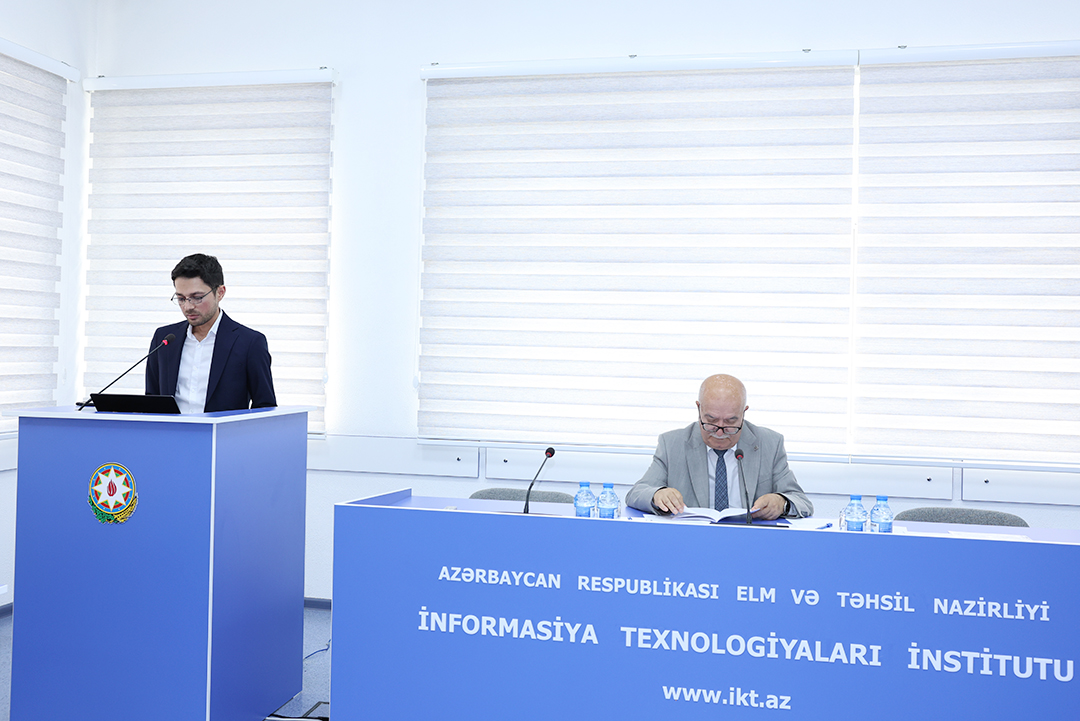
A presentation on “Inclusive Artificial Intelligence Technologies: Challenges, Trends, and Prospects” was delivered at a scientific seminar of the Institute of Information Technology of the Ministry of Science and Education.
Introducing the presentation, Kamala Gurbanova, Deputy Head of the Institute's Education and Innovation Center, emphasized that inclusive artificial intelligence (AI) is not only a technological solution but also an ethical and strategic framework designed to ensure fairness, transparency, and universal accessibility in the digital environment. She stated that, in the modern era, artificial intelligence systems act as a central paradigm of digital transformation, driving fundamental changes across all segments of the socio-economic ecosystem. However, these systems, developed based on technological determinism and not grounded in inclusive design methodologies, carry the risk of deepening existing structural inequalities and creating new forms of discrimination through algorithmic bias.
“Recent scientific studies and global trends indicate that inclusive artificial intelligence–based technologies, including assistive digital tools, intelligent adaptive systems, and automated support platforms, expand equal participation opportunities in the labor market, reduce functional barriers in workplaces, and contribute to strengthening individuals’ economic independence,” K. Gurbanova highlighted.
According to the presenter, issues related to the inclusivity of artificial intelligence are globally relevant and are widely discussed within the context of international policy and ethical frameworks. Research shows that the ethical impacts and social consequences of artificial intelligence vary depending on the geopolitical, cultural, and social context. This underscores that issues of inclusivity require a comprehensive approach. AI ethics is inherently global in nature, as the development and application of these technologies transcend national borders and affect diverse societies.
She added that, in response to these challenges, UNESCO, the United Nations, the International Labour Organization, and other international bodies have introduced global ethical standards, regulatory recommendations, and governance mechanisms to promote the development of a responsible and inclusive AI ecosystem. Nevertheless, despite existing initiatives, a number of serious challenges remain in the field of inclusive AI ethics, highlighting the urgent need for coordinated international cooperation in this area.
K. Gurbanova noted that challenges related to inclusive artificial intelligence technologies are both scientific-theoretical and scientific-practical in nature. This necessitates their systematic study, both at the conceptual level and in practical applications.
"Problems such as unequal representation, gender- and race-based bias, and insufficient transparency and accountability mechanisms in artificial intelligence systems are a practical reality, and methodological approaches and technical solutions are being developed to address them. In this regard, the scientific-practical approach aims both to measure existing biases and inclusivity gaps and to establish fair and equitable AI systems in real-world applications," the speaker emphasized.
K. Gurbanova noted that the development of inclusive AI faces several significant obstacles. She emphasized that low digital literacy, insufficient technological infrastructure, and the failure to consider the specific needs of various social groups negatively affect this process.
The researcher analyzed the concept of inclusivity within a broad social context, discussing the mechanisms of social inclusion and exclusion, as well as the structural, cultural, economic, psychological, and institutional factors that hinder inclusivity. She noted that the main goal is to emphasize that inclusivity is not limited to disability and education but is a dynamic, multidimensional social process shaped by the interaction of multiple factors, including language, culture, religion, gender, age, ethnicity, economic status, physical appearance, behavior patterns, and social habits.
The presenter also referred to the measures outlined in the “National Action Plan on Gender (Men and Women) Equality in the Republic of Azerbaijan for 2026–2028,” approved by the Decree of the President of the Republic of Azerbaijan dated December 29, 2025.
K. Gurbanova noted that one of the major challenges facing inclusive AI systems is algorithmic bias and the resulting risk of discrimination. She highlighted the key trends of inclusive AI technologies, including inclusive development, social promotion, the diversity factor, and an ethical foundation. At the same time, speaking about the obstacles to inclusivity, she drew attention to issues such as weak infrastructure and high costs in remote areas, digital illiteracy, language barriers, and information poverty.
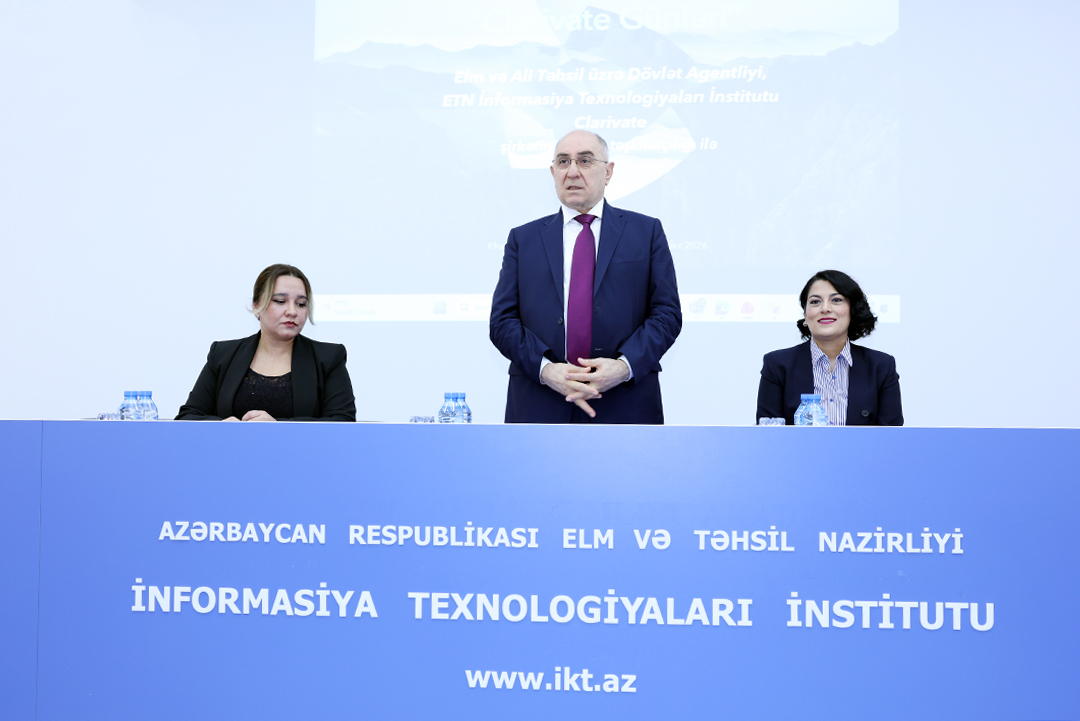
Wide-ranging discussions were held on the topic, and questions were answered.
Academician Rasim Alguliyev, Vice-President of ANAS and Director General of the Institute, speaking on the topic, emphasized that inclusivity is a key indicator of a society’s level of development. He noted that the problems of inclusive artificial intelligence technologies were investigated in depth within the framework of the study. The scientist recommended preparing an article on the opportunities, challenges, and prospects of these technologies for publication in a reputable journal.
Academician Rasim Alguliyev also highlighted the importance of studying international experience in this field and preparing an analytical review on identifying, managing, and addressing related challenges.
© All rights reserved. Citing www.iсt.az is necessary when using news.