A
A
A
San serif
Serif

The destruction of cemeteries caused by natural disasters, wars, climate change, neglect, vandalism, and land ownership disputes has become increasingly pronounced in recent years. These developments increase the risk of losing national cultural heritage and historical memory, underscoring the need for new approaches to the digital documentation and preservation of cemeteries.
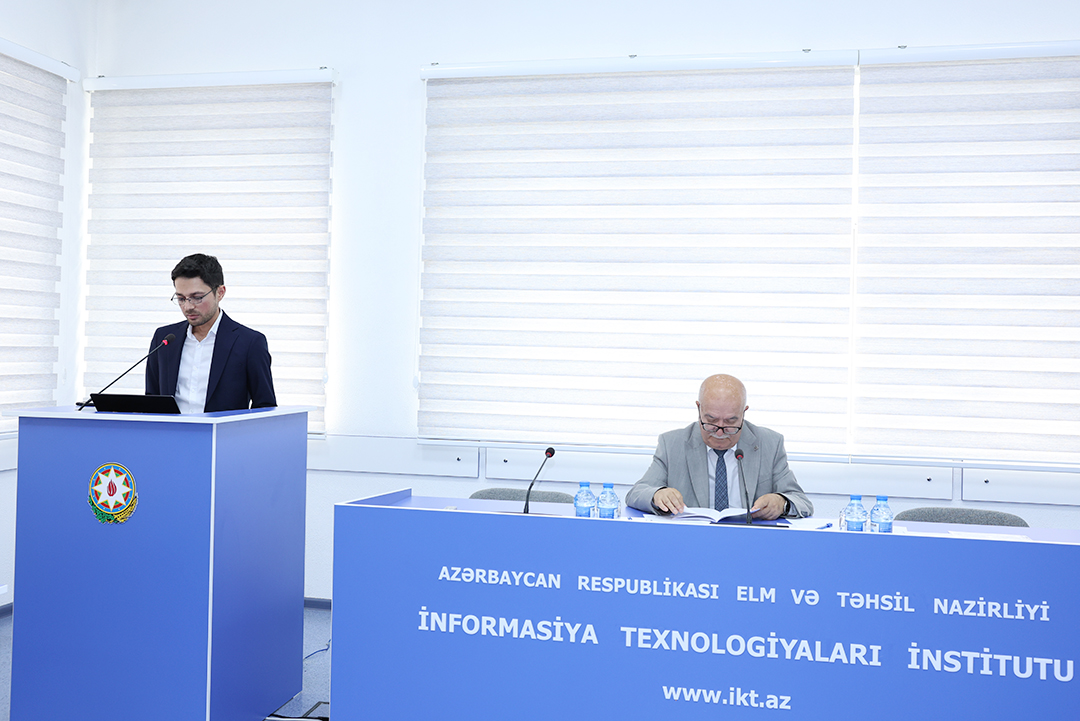
At the scientific seminar of the Institute of Information Technology of the Ministry of Science and Education, the institute’s chief researcher, PhD in Technical Sciences Irada Alakbarova, spoke about this issue during her presentation on “Digital Cemetery: Challenges and Prospects.”
The speaker stated that the systematic collection and long-term preservation of information about deceased individuals is one of the key objectives of the Digital Cemetery model. The Digital Cemetery concept is significant for archiving and visualizing information about the deceased, creating their digital twins, and ensuring their accessibility for future generations, with the speaker noting that “this system helps prevent problems such as the erosion of physical tombstones, the destruction of cemeteries, and the loss of information.”
Irada Alakbarova noted that the application of GPS and GIS technologies, QR codes, mobile navigation, database systems, and artificial intelligence capabilities makes the digital management of cemeteries more functional. The Smart Cemetery System, as an advanced form of the Digital Cemetery, enables the precise mapping of burial sites, the storage of data on a centralized platform, the provision of interactive navigation for visitors, and the creation of a digital twin of the deceased.
She also provided information on digital cemetery platforms implemented in several countries worldwide, including BillionGraves, Find a Grave, FamilySearch, and other global projects. She stated that these platforms ensure the GPS-based mapping of cemeteries, the long-term preservation of burial data, and the protection of key demographic, historical, and cultural indicators essential for international scientific research.
Irada Alakbarova also addressed instances of vandalism committed against Azerbaijan’s historical and cultural heritage in her presentation. She noted that the destruction of hundreds of historical cemeteries and the demolition or falsification of tombstones in Western Azerbaijan and the Karabakh region further increases the relevance of implementing digital solutions in this field.
The speaker assessed the Digital Cemetery as an important tool for the virtual restoration of national heritage, the preservation of historical principles, and its transmission to future generations.
She also provided information on the legal, technological, and administrative aspects of implementing digital and smart cemetery systems, including mapping based on drone and satellite imagery, integration with the State Register of Population of the Republic of Azerbaijan, the adoption of CIMS-type management platforms, personnel training, data security, and the challenges of technological modernization.
The presentation was followed by discussions, and questions were answered.
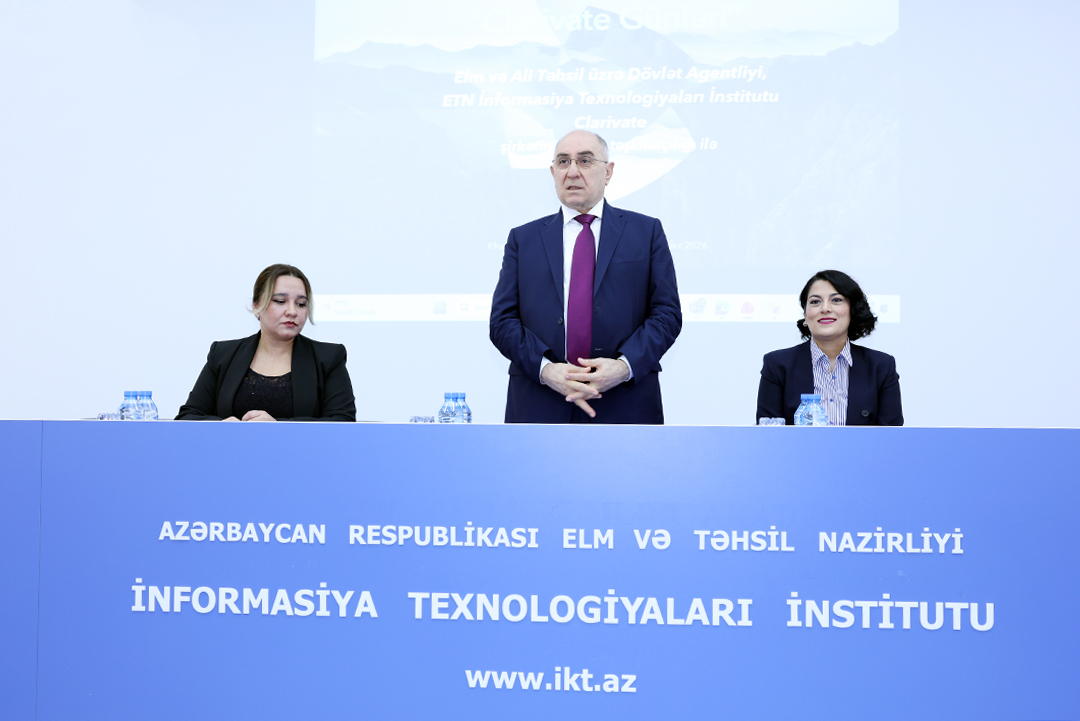
Speaking at the end, academician Rasim Alguliyev, Vice-President of ANAS and Director General of the institute, noted that the digital cemetery concept is of great importance in terms of protecting the national and cultural heritage and developing the country's digital state infrastructure.
The academician stressed the importance of continuing research in this field, developing the smart cemetery concept on a scientific basis, and shaping new approaches to the preservation of historical heritage in digital format.
© All rights reserved. Citing www.iсt.az is necessary when using news.