A
A
A
San serif
Serif
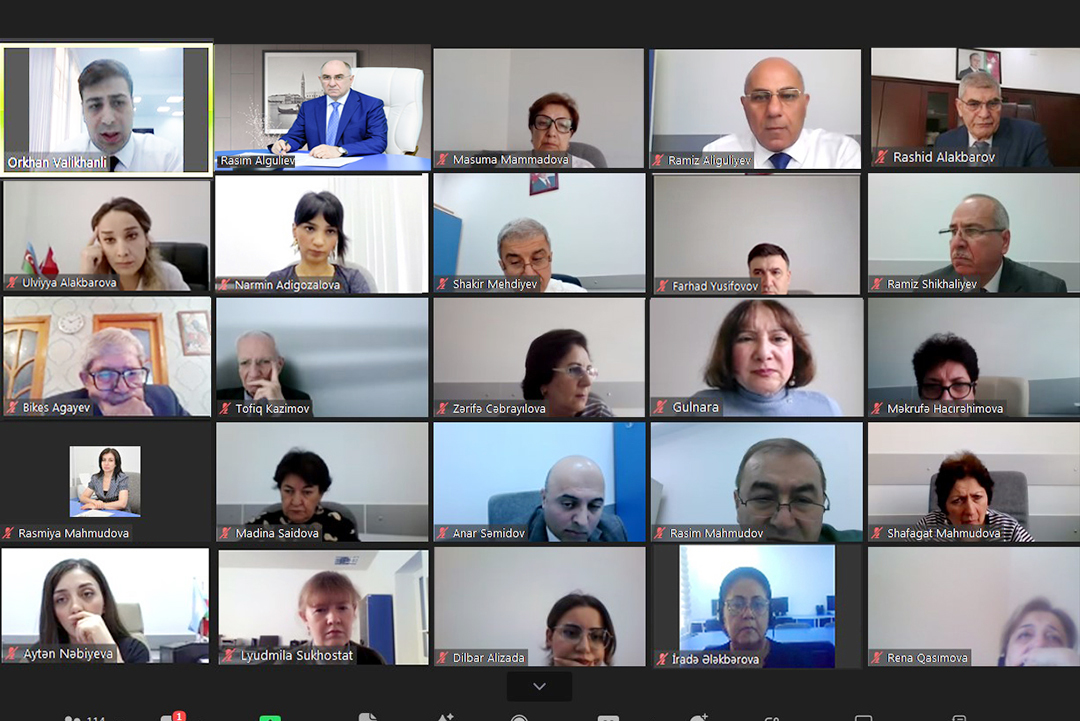
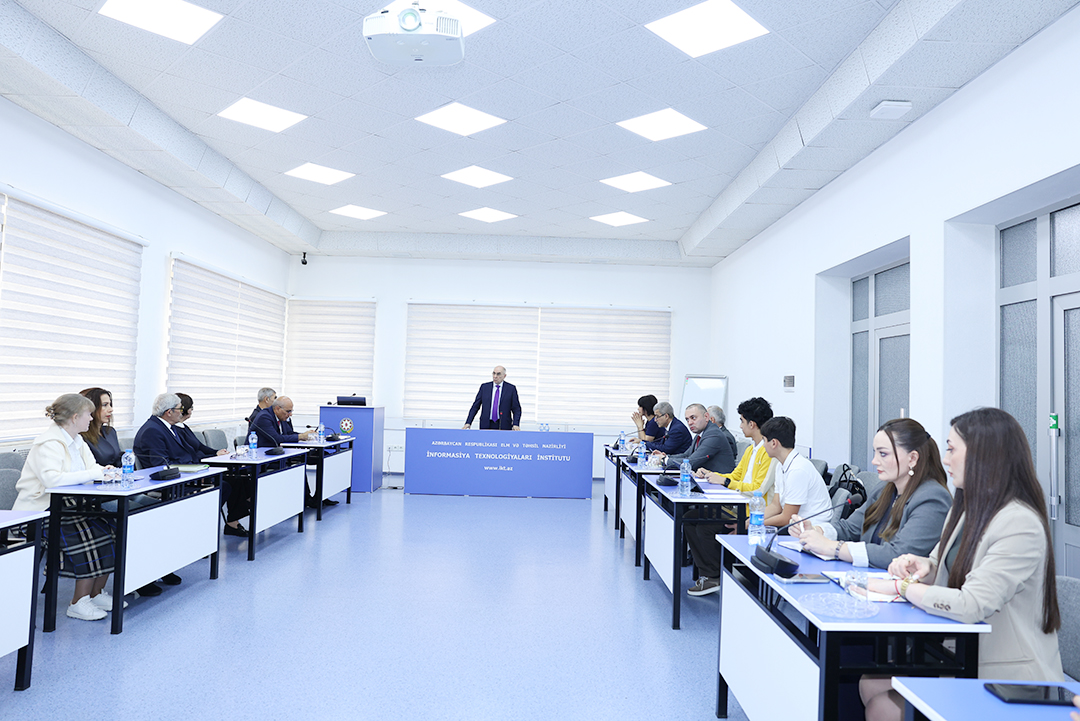
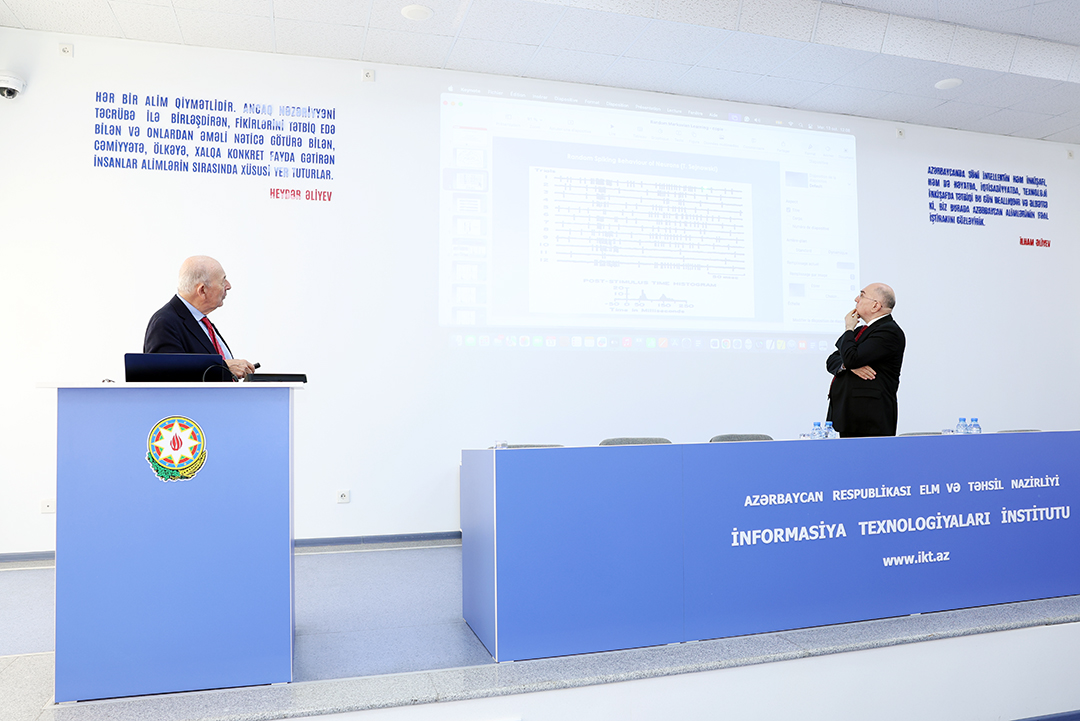
At the next scientific seminar of the Institute of Information Technology of the Ministry of Science and Education, the results of scientific research conducted within the dissertation titled “Development of methods and algorithms for ensuring the cybersecurity of Unmanned Aerial Vehicles” were discussed.
Orkhan Valikhanli, a PhD candidate of the institute, delivered the presentation and provided information on the scientific and practical research conducted within the framework of the work.
The researcher discussed the studies conducted in his dissertation on developing methods and algorithms for detecting cyberattacks on the ground control system (GCS) and network systems of unmanned aerial vehicles (UAVs). He noted that research had been carried out on detecting malware in the UAV ground control system (GCS) based on image analysis, as well as on developing a method for identifying denial-of-service cyberattacks targeting UAV network systems, and presented the results obtained.
O. Valikhanli also noted that algorithms had been developed to ensure the cryptographic and steganographic resilience of UAV flight data as part of efforts to enhance their overall cyber-resilience.
He stated that the results of the research conducted as part of his dissertation were reflected in a total of seven articles, including three published in the Web of Science database and two in Scopus, and were presented at seven national and international conferences.
Then, a broad exchange of views on the dissertation was held, and questions were answered.
Academician Rasim Alguliyev, Vice-President of ANAS and Director General of the Institute, stated in his speech that he highly appreciated the results achieved in ensuring the cybersecurity of UAVs as one of the priority areas serving national interests. The academician emphasized the high relevance of the research conducted, noting that ensuring the security of UAVs is one of the key components of the national information security system.
Academician R. Alguliyev emphasized that the scientific justification of the experimental platform in the dissertation carries particular importance. The scientist proposed that the dissertation be submitted to the next stage, taking into account the recommendations voiced at the seminar.
© All rights reserved. Citing www.iсt.az is necessary when using news.