A
A
A
San serif
Serif

In the 21st century, the power of states is no longer determined solely by their natural resources, economic potential, or military capabilities. In the modern world, digital technologies, artificial intelligence, big data, cloud computing, and cybersecurity hold a special place among the key factors shaping competitive advantage. This is because digitalization is not merely a technological innovation but one of the fundamental pillars of governance, economic development, and national security.
Recently, Azerbaijan has purposefully joined this global transformation process, declaring digital development a priority of its state policy. As a result of the reforms carried out under the leadership of President Ilham Aliyev, the services of the electronic state have expanded, the legal and institutional foundations of digital governance have been strengthened, and new opportunities have been created to develop the innovation ecosystem. The goal of this policy is not only the digitalization of public services but also the formation of a digital economy, ensuring sustainable development based on high technologies and enhancing Azerbaijan's global competitiveness.
The year 2026 can be regarded as the beginning of a new chapter in our country's digital development history. At the meeting chaired by the head of state at the beginning of this year, new strategic goals were set for digital transformation, artificial intelligence, cybersecurity, and innovation policy. Following this, a three-year Action Plan was approved, and new governance mechanisms were established to coordinate the activities of state institutions. This process gained new momentum on June 29 with the inaugural meeting of the Digital Development Council, chaired by Mehriban Aliyeva, First Vice-President of the Republic of Azerbaijan. The establishment of the Council demonstrated that digitalization is no longer merely a priority for the information and communication technology sector but a strategic direction for state governance as a whole.
Today, digital transformation and cybersecurity are inseparable concepts. As critical sectors such as public administration, banking, energy, transportation, telecommunications, and healthcare increasingly operate on digital platforms, their vulnerability to cyberattacks grows accordingly. Under modern conditions, a successful attack against state information systems is not merely a technical issue but a severe threat to economic stability, public safety, and national interests. It is precisely for this reason that developed nations no longer view cybersecurity as just a subfield of information technology but as a central pillar of national security policy.
Taking this reality into account, Azerbaijan is implementing sustained institutional and legal reforms in cybersecurity. The "Strategy of the Republic of Azerbaijan on Information Security and Cybersecurity for 2023-2027" is the first comprehensive strategic document adopted in this field in the country and has defined the main directions for the development of the national cybersecurity ecosystem. The strategy identifies the protection of critical information infrastructure, the expansion of cooperation between the public and private sectors, the development of local technologies, the support of scientific research, and the training of professional personnel as its main priorities.
Alongside digital transformation, the rapid development of artificial intelligence technologies is creating not only new opportunities but also new risks in cyberspace. Artificial intelligence is increasingly becoming an integral part not only of defense systems but also of offensive tools. Generative artificial intelligence is being used to produce high-quality phishing emails, personalize social engineering attacks, accelerate the creation of malicious software, and automate disinformation campaigns. Deepfake technologies, meanwhile, are creating entirely new threats to information security. Enhancing the resilience of state institutions, financial institutions, and critical information infrastructure against such risks has already become a strategic necessity.
At the same time, artificial intelligence is also one of the most important tools of cyber defense. AI-based systems analyze millions of events in real time, identifying behavioral anomalies, detecting previously unknown attacks, and predicting risks. It is precisely for this reason that the cybersecurity systems of the future must possess adaptive, self-learning, and pre-emptive characteristics. In this regard, the fact that Azerbaijan's digital development strategy considers artificial intelligence and cybersecurity within a unified framework is also of particular importance.
For a modern state, cybersecurity is not limited to the application of technical tools alone. A strong national cybersecurity ecosystem requires the interaction of components such as legislation, effective institutional governance, computer emergency response teams and security operations centers, professional human resources, scientific research, local technologies, cyber hygiene, and international cooperation. The weakness of any one of these elements can reduce the resilience of the national cyber defense system as a whole. In this regard, cooperation between the state, science, and business is of particular importance. Universities generate new scientific knowledge, innovation centers, and startups develop modern technological solutions, while the state shapes the legal and institutional foundations for these processes. The experience of the world's leading countries shows that success in cybersecurity is possible not merely through the import of foreign technologies but through the development of national scientific schools, highly qualified specialists, and an innovation ecosystem. One of the key tasks facing Azerbaijan is precisely the formation of competitive human capital in this direction.
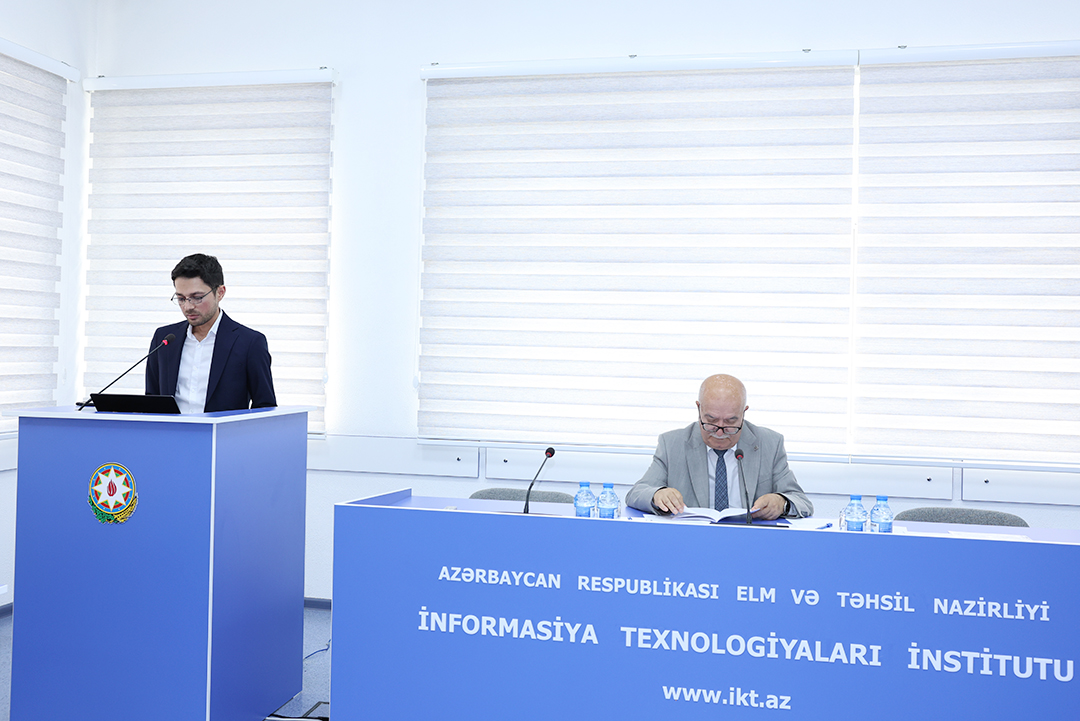
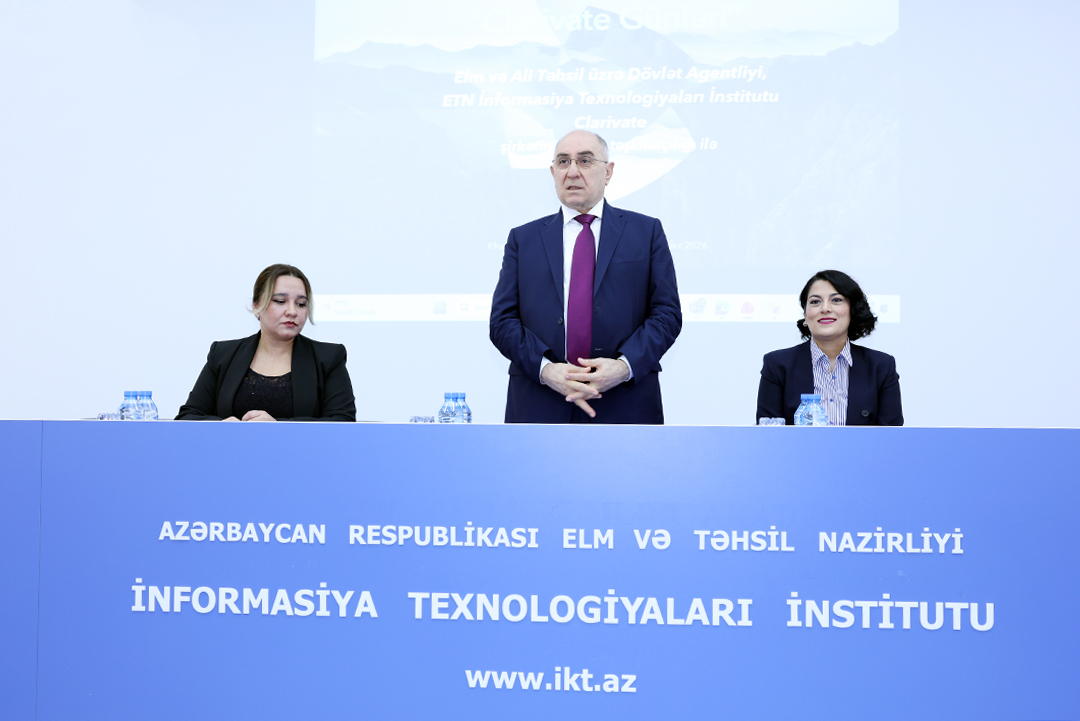
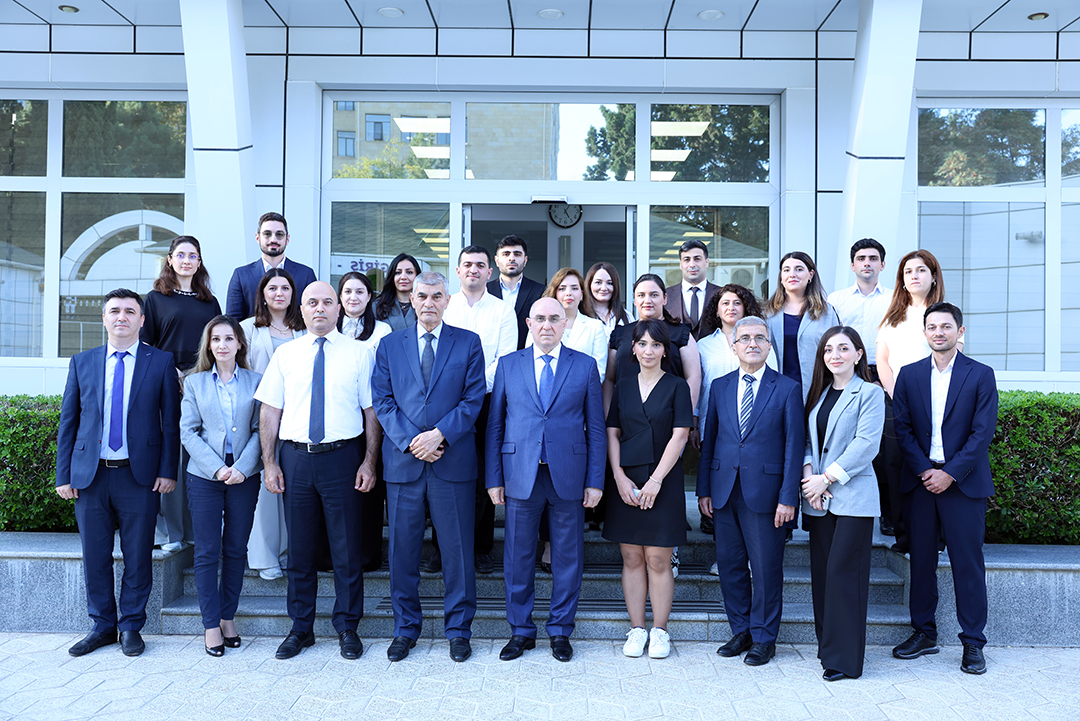
One of the important platforms serving this purpose was the national scientific-practical conference "Current Problems of Cybersecurity and Digital Forensics," held on June 3, 2026. Bringing together state institutions, higher education establishments, scientific organizations, and the private sector, this event demonstrated a new stage of scientific cooperation on cybersecurity in the country. At the conference, numerous scientific presentations were delivered on topics such as AI-based security systems, the protection of critical information infrastructure, digital forensics, the risks posed by deepfake technologies, post-quantum cryptography, and other current directions. The resolution adopted at the conference identified the expansion of fundamental and applied research, the strengthening of national cybersecurity capacity, the development of highly qualified personnel training, and the provision of scientific support to state programs as the main priority directions.
All this demonstrates that Azerbaijan views the process of digital transformation not merely as the adoption of new technologies but as a unified strategic direction for state governance, economic development, and national security. Strengthening digital sovereignty, advancing the cybersecurity ecosystem, ensuring the safe implementation of artificial intelligence, and bolstering scientific potential form the core pillars of the country's future development model. It is precisely this approach that not only ensures Azerbaijan's sustainable development in building a digital state but also holds the potential to transform it into one of the region's technology and innovation hubs.
Ramiz SHIKHALIYEV
Chief Researcher at the Institute of Information Technology of the Ministry of Science and Education, PhD in Technical Sciences, Associate Professor